About
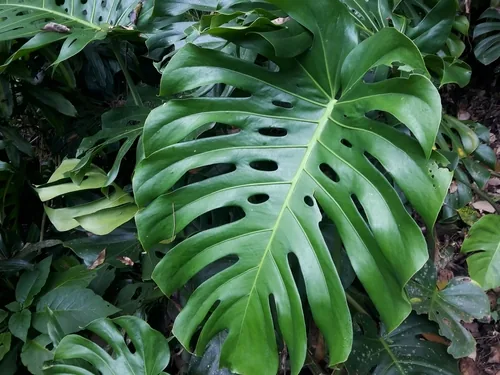
Artocarpus altilis is the Pacific starch tree—huge lobed leaves, milky sap, and green fruits that roast or fry like potato’s overachieving cousin. Seedless cultivars exist; seeded forms blur into breadnut. Not a serious outdoor crop until true frost-free tropics—low 40s°F (~4°C) and below damages growth. Greenhouse or brave microclimate only on the peninsula margins. Full sun; deep fertile soil with steady moisture in growth season. Wind protection while young. Root cuttings, suckers, or grafted clones—seedlings are a long game. Pick and prepare fruit by maturity stage—immature as vegetable, mature roasted or processed.
Permaculture Functions
- Edible: Artocarpus altilis immature fruits slice like dense zucchini for curries, -- while mature starchy types bake or fry like potato once latex stops beading from the cut stem.
- Mulcher: Lobed leaves each span more than a meter on good soil -- so one storm drops enough litter to bury understory taro if you do not rake paths weekly.
- Animal Fodder: Pigs and cattle take fallen fruit and pruned branches -- when you process culls on site, turning seasonal gluts into weight gain instead of fly clouds.
Companion Planting
Good Neighbors
Cautions
- Any expectation of fruit after hard freezes
- Drought on sandy sites without irrigation
Threats & Pressure