About
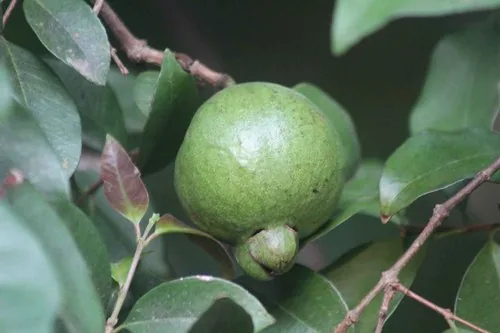
Coquinho azedo maps cleanly to the Central American sour guava — small yellow fruit, tart pulp, guava aromatics without the focus-group sweetness. Shrubby myrtle relative for humid frost-free sites; in subtropical and tropical Americas it fruits where winters stay mild (roughly zone 10+); cooler subtropical pockets mean greenhouse, pot culture, or treating it as a collector’s gamble. Full sun for best flowering and fruit; some afternoon shade in hottest microclimates. Rich, well-drained, slightly acidic soil; steady moisture when fruiting; avoid chronic waterlogging. Protect young trees from drying winds; mulch to stabilize root zone. Hard freezes damage young wood—site with heat sinks or plan protection in marginal areas. Seeds: plant fresh; long juvenility before fruit — bring patience and labels. Cuttings and air layering used where clones are valued; grafting onto related Psidium is practiced in some collections. Pick fruit when fully colored and aromatic; tart types often sweeten slightly as they soften. Process quickly into juice, jelly, or ferments—thin skin and high aromatics mean short shelf life compared to commercial guava.
Permaculture Functions
- Edible: Small yellow sour guavas bring fierce acidity and true guava aroma to juice, jelly, and vinegar ferments -- once fully tree-ripe.
- Wildlife Attractor: Ripe fruit feeds fruit bats and birds in forest edges -- dropped fruit recruits ground insects that cycle nutrients under the canopy.
- Pollinator: Masses of white myrtle-type flowers with exserted stamens load pollen onto stingless bees, honeybees, and small wasps -- prolific during warm-season flushes.
Companion Planting
Threats & Pressure