About
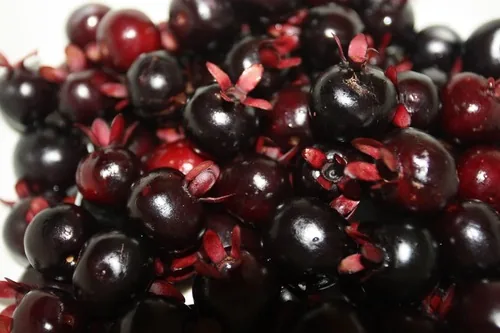
Grumichama is the myrtle-family cherry that fruited at the family reunion without asking — dark sweet berries, handsome glossy leaves, and a tropical resume that laughs at subtropical and tropical Americas frost unless you are in the warmest pockets. Small tree or big shrub depending on pruning and ambition. Full sun to high shade; fruits heavier with more sun and honest fertility. Rich, well-drained, slightly acidic soil; steady moisture when fruiting. Young plants need wind protection and mulch — roots are not drama majors but dislike bake. Seeds: plant fresh; variable juvenility before fruit — bring patience. Grafting selected varieties onto seedling rootstocks where material exists. Grumichama: pick when color, aroma, and a gentle yield to pressure agree for that species -- impatient fruit keeps starch, latex, or both. Clip clusters with clean tools; shallow trays beat deep piles that bruise the optimistic bottom layer. Rain splits thin skins -- pick before monsoon weeks if weather apps cooperate.
Permaculture Functions
- Edible: Eugenia brasiliensis bears dark, thin-skinned cherries with resinous sweet pulp -- eat fresh when fully soft, or cook into jam while spitting large seeds that refuse polite chewing.
- Wildlife Attractor: Creamy myrtle flowers draw small bees and wasps, and ripe fruit brings fruit-eating birds in warm months -- net canopies or harvest early if you want human share in frosty-marginal sites.
- Ornamental: Glossy opposite leaves and coppery new growth read tidy in evergreen hedges -- keep fruiting shrubs sunward and wind-protected so the show stays foliar, not wind-tattered.
Companion Planting
Also mentioned as companions:
- Mulberry
Not yet profiled in PermiePortal
- Exposed 9a frost hollows without protection
- Waterlogged heavy clay without berm or drainage edits
Threats & Pressure