The Hidden World Beneath Our Feet
Understanding Soil Science and Microbial Biodiversity in Permaculture
Introduction
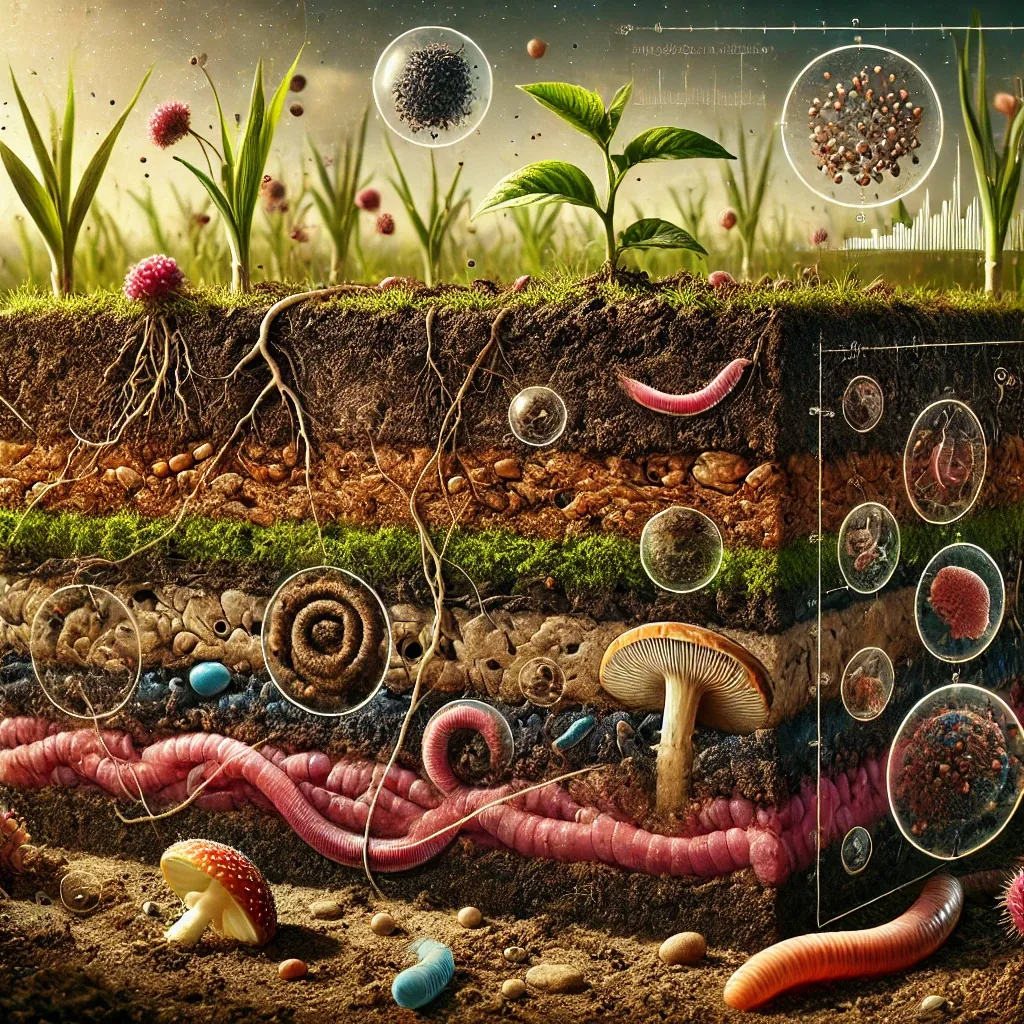
Soil is a living, dynamic ecosystem—a complex web of minerals, organic matter, water, air, and organisms that powers plant growth, water cycles, and climate stability. Microbes—bacteria, fungi, archaea, and others—run the core processes: nutrient cycling, decomposition, structure-building, and disease suppression.
What Is Soil Science?
Soil science studies soil as a natural resource: how it forms, how it’s classified, and how it functions with plants and climate. The classic components:
- Minerals — sand, silt, clay (texture/structure)
- Organic matter — decomposed residues (nutrients/CEC)
- Water — transports nutrients, fuels biology
- Air — oxygen for roots and microbes
The Role of Microbial Biodiversity in Soil Health
1) Nutrient Cycling
Microbes mineralize organic matter and unlock N, P, K for plant uptake. N-fixers convert atmospheric N₂ into plant-available forms.
2) Organic Matter Decomposition
Fungi and bacteria break down litter into humus, improving structure and water retention.
3) Disease Suppression
Diverse microbiomes outcompete pathogens and produce natural antimicrobials that reduce soil-borne disease.
4) Soil Structure Improvement
Mycorrhizae extend root reach and aggregate particles; bacteria exude polysaccharide “glues” that stabilize crumbs, limiting erosion and compaction.
5) Carbon Sequestration
Soils are major carbon sinks. Microbial processing stores stable carbon, helping buffer climate change.
Threats to Soil Microbial Biodiversity
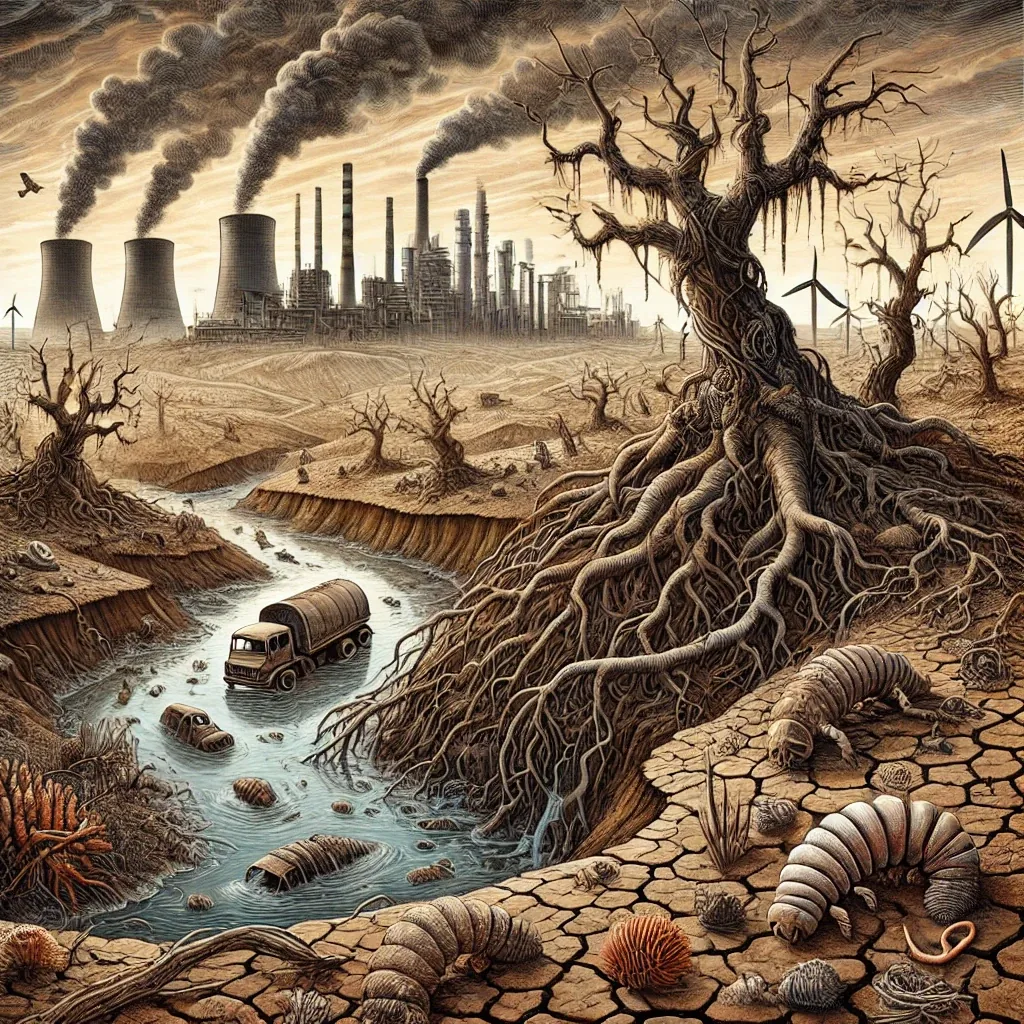
Modern practices that erode soil life:
- Overuse of fertilizers & pesticides disrupts microbial balance.
- Monocultures deplete nutrients and narrow microbial niches.
- Erosion & compaction destroy habitat and oxygen.
- Deforestation & urbanization strip organic inputs and continuity.
Enhancing Soil Microbial Health and Biodiversity
Permaculture regenerates soil biology with design-first tactics:
- Compost, Vermicompost, Organic Amendments
Add compost/mulch/cover crops to seed beneficial microbes, raise organic matter, and stabilize structure. - Reduced/No-Till
Protect aggregates and fungal networks; conserve moisture and carbon. - Crop Rotation & Polyculture
Different root exudates = diverse microbial guilds; balanced cycling and fewer diseases. - Biofertilizers & Inoculants
Mycorrhizae, N-fixers, and P-solubilizers restore depleted soils and boost nutrient uptake. - Cover Crops & Green Manures
Living roots feed microbes year-round; incorporate for a fresh carbon pulse. - Integrate Livestock (managed)
Manure = microbes + nutrients; rotational grazing prevents overpressure and supports plant recovery. - Avoid Harsh Chemicals
Minimize synthetic inputs that flatten microbiomes. - Water Management & Moisture Conservation
Swales, keyline, mulch, and drip stabilize moisture; avoid anaerobic waterlogging.
The Importance of Biodiversity in Soil Ecosystems
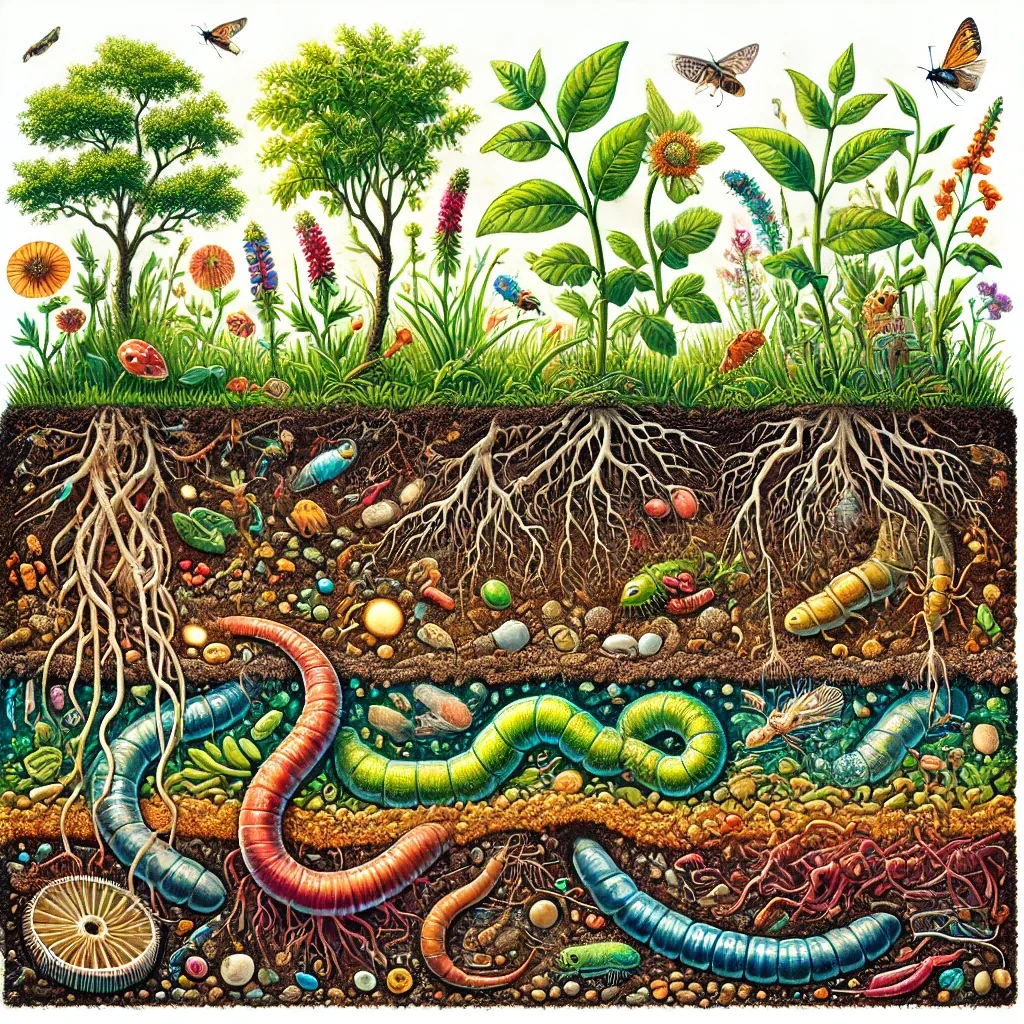
- Resilience to drought, heat, and disturbance
- Plant Health via disease resistance and nutrient access
- Greater Carbon Storage through stable organic matter
- Efficient Nutrient Cycling reducing synthetic inputs
- Ecosystem Stability with robust soil food webs
Conclusion
Healthy soils are the foundation of sustainable systems. Building microbial biodiversity boosts fertility, water holding, carbon storage, and resilience. Investing in soil health is investing in the planet’s future—ecologically and agriculturally.
References
- Brussaard, L., de Ruiter, P.C., & Brown, G.G. Agriculture, Ecosystems & Environment 121(3), 2007, 233–244.
- Giller, K.E., et al. Applied Soil Ecology 6(1), 1997, 3–16.
- van der Heijden, M.G.A., Bardgett, R.D., & van Straalen, N.M. Ecology Letters 11(3), 2008, 296–310.