Moringa: The Miracle Tree for Health and Sustainability
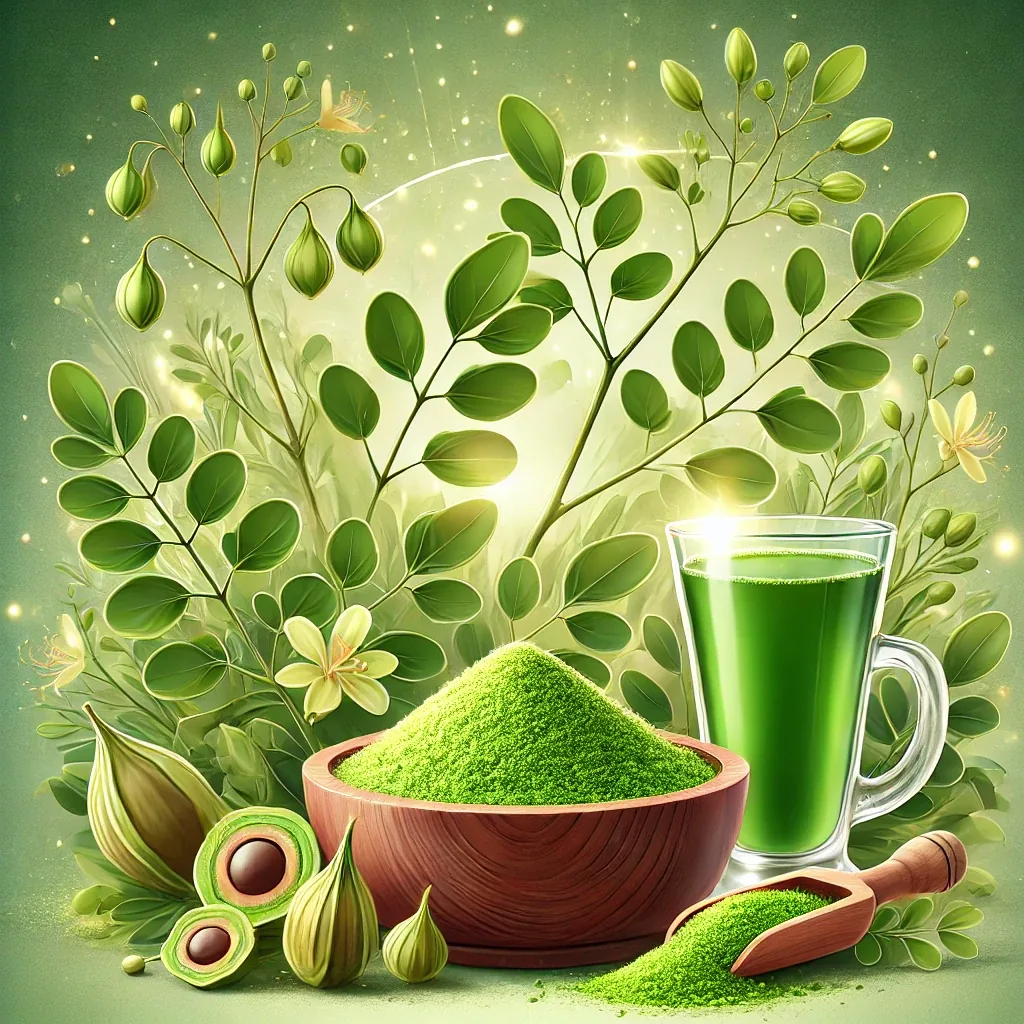
Moringa oleifera, often called the “Miracle Tree,” is a fast-growing, drought-resistant plant native to South Asia and Africa. It’s been used for centuries in traditional systems and is now widely discussed for its nutrient density and potential wellness uses.
Note: This guide is educational, not medical advice. Talk to a clinician before using supplements—especially if pregnant, taking blood thinners, managing diabetes, or before surgery.
Nutritional Profile 💪
- Vitamins: A, C, E, and B-complex
- Minerals: calcium, iron, magnesium, potassium, zinc
- Protein: contains essential amino acids
- Antioxidants: quercetin, chlorogenic acid, beta-carotene
- Healthy fats (seeds): oleic acid–rich oil
Potential Areas of Benefit
Research (ranging from lab/animal to smaller human studies) explores:
- Antioxidant & inflammatory balance — supports a healthy inflammatory response
- Heart health habits — cholesterol/triglycerides and circulation are common topics in studies
- Immune support — vitamin C and phytonutrients
- Brain support — neuro-supportive compounds discussed in literature
- Skin & hair — vitamins A/E and oil (“ben oil”) are traditionally used
- Digestive comfort — prebiotic potential, gut-lining support is discussed in studies
- Glucose balance — studied for effects on insulin sensitivity and post-meal response
- Detox & liver — hepatoprotective effects explored in research contexts
Effects vary by dose/form and individual; quality and preparation matter.
How to Use Moringa
- Fresh leaves: raw in salads or cooked like spinach
- Powder: smoothies, teas, soups, dressings
- Capsules: standardized products for convenience
- Seeds: sometimes roasted; also used traditionally in water clarification contexts
- Oil (ben oil): cooking and skincare
Quick Tips
- Start small and see how you respond.
- Pair with balanced meals rather than relying on powders alone.
- Store powder in a cool, dark place to preserve quality.
Precautions
- Check with a clinician if you are pregnant/breastfeeding, on blood thinners or diabetes meds, or planning surgery.
- Large doses can upset digestion in some people—scale up gradually.
Sources (selection)
- Fuglie, L. J. The Miracle Tree: Moringa oleifera: Natural Nutrition for the Tropics. Church World Service, 2001.
- Fahey, J. W. “Moringa oleifera: A Review of the Medical Evidence…” Trees for Life Journal 1 (2005).
- Anwar, F., et al. “Moringa oleifera: A Food Plant with Multiple Medicinal Uses.” Phytotherapy Research 21.1 (2007): 17–25.
- Leone, A., et al. “Nutritional and Antioxidant Properties of Moringa oleifera Leaves…” Food Science & Nutrition 3.6 (2015): 1130–1141.
Related: check out the Vermicomposting Guide to turn kitchen scraps (including veggie trim) into microbe-rich compost.