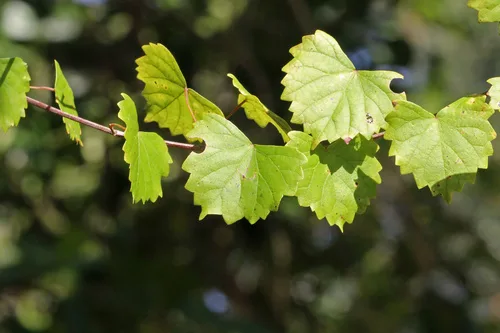
About
Muscadine grape (Vitis rotundifolia) is a high-climbing native North American grape of humid southeastern wood edges, sandhills, and fencerows, bearing thick-skinned berries in bronze (‘Scuppernong’ types) or dark tones with intense musky flavor. Unlike many European wine grapes, it tolerates heat, humidity, and disease pressure that would shred thin-skinned vinifera in the same site—making it a honest pergola crop for fresh eating, juice, jelly, and country wine. Vines become heavy with age; plan trellis beef from day one. Full sun for heaviest clusters; partial shade fruits lighter but can work on marginal edges. Deep, well-drained sandy to loamy soils reward rooting; young vines need steady moisture, mature vines endure dry spells better than pampered ones. Good air movement reduces foliar disease; humid summers punish crowded canopies. Hardwood cuttings in dormancy are practical for cloning known females and self-fertile selections. Layering low canes in spring roots ramblers where posts are scarce. Seeds are variable and slow—clonal methods keep harvest timelines honest. Pick when berries soften and color fully; unripe muscadines punish your teeth and your reputation. Cook for jelly and syrup; fresh eating is an acquired joy—skins are tough. Prune in winter to limit weight on wires and to renew fruiting wood.
Permaculture Functions
- Edible: Bronze ‘Scuppernong’ types slip from stems when fully ripe with musky perfume; dark cultivars stain fingers for days -- slip skins for fresh eating or cook down for jelly that sets without added pectin drama.
- Wildlife Attractor: Raccoons and possums test your trellis engineering the week fruit softens -- cardinals pick pecks from split berries you decided were “seconds.”
- Shade Provider: Single cordons on pergola rafters cast moving leaf shadow -- that drops afternoon wall temperature on west-facing patios in humid summers.
- Pollinator: Tiny greenish grape flowers are wind-pollinated but still visited by small bees along raceme edges -- keep two self-fertile selections or a pollinizer female if your site is isolated.
Field Observations
- Self-fertile vs female vines is not a trivia question—pollination plans decide empty clusters.
- Winter pruning is structural, not cosmetic; summer weight tests your posts before your philosophy.
- Bronze vs black is flavor politics—label jars if you ferment blends.
- Bird netting beats rage-posting about mockingbirds—pick a policy and own it.
Companion Planting
Threats & Pressure