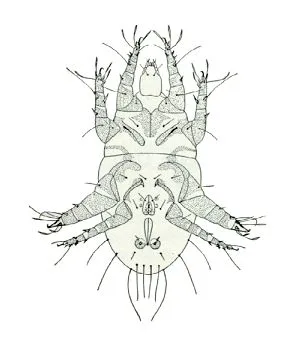
Field Identification
Bulb mites are microscopic acarids that feed on stored bulbs, garlic cloves, onion sets, and sometimes roots in the field. Infested planting stock feels spongy, sprouts weakly, or rots from secondary fungi. Damage is easy to blame on basal rot or poor drainage until you see fine brown dust at the base of scales. They spread on contaminated soil, culls, and shared harvest bins.
Use at least 10x magnification on suspect tissue: bulb mites are shiny, slow-moving ovals compared with faster two-spotted spider mites on foliage. Look at the basal plate of garlic and onion where mites cluster in moist pockets. A foul fermentation smell sometimes accompanies heavy mite loads. Send samples to a diagnostic lab if you need species-level ID for regulatory reasons.
Not sure what you have? Use the symptom diagnosis tool →
How to Deal With It
Organic Control Methods
Hypoaspis miles (Stratiolaelaps scimitus) soil predatory mites consume small acarids in potting media when introduced at label rates. Some Steinernema nematode species reduce mite loads in stored bulb research trials. Maintaining diverse soil mesofauna through reduced tillage and organic matter supports general mite predators outdoors. Biologicals work best when humidity and temperature match label ranges at application time.
Cure garlic and onions thoroughly before storage and keep humidity moderate in cellars. Do not replant obviously sunken or brown-scaled cloves. Rotate alliums on a multi-year schedule in vegetable beds. Clean harvest tools and sorting tables with hot soapy water between lots.
Hot water treatment of bulbs is used professionally for some crops -- follow crop-specific extension recipes because wrong temperature-time pairs cook the bulb. Solarize small beds before replanting if history is bad. Avoid over-irrigation in heavy soil that keeps basal tissue wet for weeks. Cull borderline bulbs instead of planting them to save a few cents.
Screen potting mixes that sat open in damp sheds before repotting lilies. Discard the outermost scales on lightly infested garlic if the core is firm and plant only the clean center. For small seed garlic lots, peel to single cloves and inspect each. Freeze is not a standard homeowner fix and can kill viability, so prefer heat treatments from trusted guides.
Sulfur and some horticultural oils help on foliage mites but do not reach mites deep inside bulb scales well. Focus on clean stock and soil predators for true bulb mite issues. Essential oil drenches are inconsistent and may harm germination -- avoid home chemistry experiments on your only seed garlic. If you export or sell bulbs, follow phytosanitary rules rather than improvising sprays.
Let Nature Handle It
Natural Enemies
- Predatory Mites
- Nematodes
- Predatory Beetles