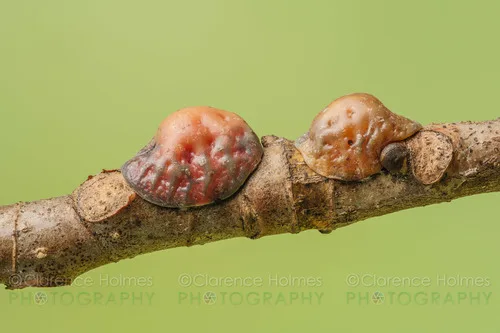
Field Identification
Soft scales are hemipterans with covers fused to the body, often producing copious honeydew and sooty mold. They weaken twigs, reduce fruit size, and attract ants that disrupt biocontrol. Genera include Coccus, Pulvinaria, and Saissetia on diverse woody plants from temperate ornamentals to subtropical fruit. Chronic infestations follow dusty foliage, ant tending, and predator-killing spray programs.
Flip leaves: soft scales look hemispherical or oval and excrete sticky honeydew when active. Armored scales have separable covers and usually less honeydew from the scale itself. Use a lens to see crawler stages along veins. Track crawler flights with double-sided tape on twigs during warm months.
Not sure what you have? Use the symptom diagnosis tool →
How to Deal With It
Organic Control Methods
Metaphycus and Coccophagus parasitoids attack many soft scale species in citrus and landscapes. Lady beetles and lacewing larvae consume crawlers. Release programs are optional -- most home success comes from oil timing, pruning, and ant barriers. Preserve flowering groundcovers for adult parasitoid food.
Inspect nursery stock and reject heavily infested liners. Rinse dust from canopies periodically. Avoid calendar sprays for other pests that crash beneficials. Manage Argentine ants on trunks with sticky barriers or labeled baits where appropriate.
Prune out the worst water sprouts harboring colonies. Open dense canopies for spray penetration if treatment is needed. Replace hedge species that chronically harbor scales when design permits.
Scrub small specimens with soapy water and soft brushes. Power rinse at gentle settings on tolerant bark. Band trunks to exclude ants while predators work.
Horticultural oil during crawler windows smothers exposed stages. Insecticidal soap on smooth leaves reaches crawlers when coverage is thorough. Neem suppresses feeding on a schedule. Test sensitive cultivars for oil burn in heat.
Let Nature Handle It
Natural Enemies
- Parasitic Wasps
- Ladybugs
- Lacewings