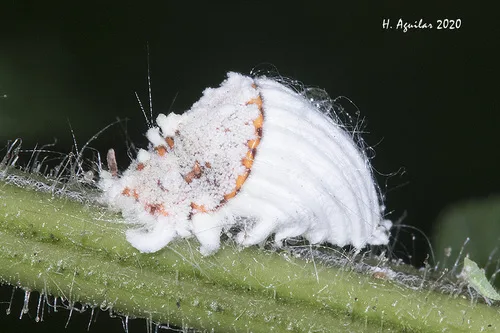
Field Identification
Cottony cushion scale is a large fluted scale insect famous for collapsing citrus before the vedalia beetle rescue in classical biocontrol history. Females lay long white egg masses that look like cotton strips on twigs. Feeding removes sap, weakens branches, and supports sooty mold. It still appears on citrus, roses, and many ornamentals wherever mild winters allow buildup.
Look for the fuzzy white ovisac along leaf midribs and bark crevices -- it is diagnostic compared with mealybugs that wander more. Adults are reddish underneath the wax. Crawlers settle along veins; use tape traps to time sprays. Ants may tend the scale for honeydew, which reduces predator effectiveness until ant routes are blocked.
Not sure what you have? Use the symptom diagnosis tool →
How to Deal With It
Organic Control Methods
Rodolia cardinalis, the vedalia beetle, remains a primary predator in many citrus districts. Cryptochaetum iceryae fly parasitizes this scale in coastal climates. Purchasing and releasing vedalia is sometimes available to professionals -- home success depends on matching climate and avoiding sprays that kill beetles. Preserve uncut flowering groundcovers in orchard rows for adult beetle nectar.
Inspect nursery citrus and roses for ovisacs before planting. Avoid dust on leaves that interferes with predator movement. Do not apply broad-spectrum insecticides during crawler peaks. Manage Argentine ants on trunks with barriers or labeled baits where regulations allow.
Prune out heavily encrusted water sprouts to lower local reproduction. Rinse canopies with plain water after dusty wind events. Replace chronically infested hedge species when design permits. In greenhouses, isolate new batches of plants for two weeks while scouting undersides.
Scrape ovisacs off small trees with a plastic card during winter when populations are localized. Power wash at gentle settings on tolerant bark to dislodge egg masses before crawlers hatch. Double-sided tape on stems captures crawlers during emergence windows when refreshed.
Horticultural oil timed to crawlers smothers exposed stages before heavy wax forms. Insecticidal soap works on tender rose canes where coverage is thorough. Neem can suppress crawlers but repeat applications are needed. Always test a limb first on thin-barked species because oil plus heat causes burn.
Let Nature Handle It
Natural Enemies
- Ladybugs
- Parasitic Wasps
- Lacewings
Threat Map