About
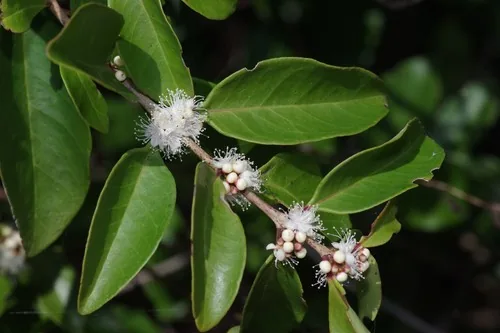
White stopper (Eugenia axillaris) is an evergreen shrub to small tree of coastal strands, hammocks, and limestone margins in the Caribbean and humid subtropical Gulf–Atlantic coastal plain where hardy. Small opposite leaves, peeling bark on older trunks, and white flowers followed by dark berries make it a backbone native for hedges, bird gardens, and salt-tolerant windbreak understory. It tolerates pruning and shapes well for formal native screens. Full sun to bright part shade; densest hedge in sun. Well-drained soils are essential; tolerates coastal wind and light salt spray once established. Moderate drought tolerance after rooting; irrigate young plants through dry seasons. Avoid chronic waterlogging without aeration. Sow fresh seed soon after cleaning; germination can be irregular. Semi-hardwood cuttings under mist in warm months root for clones. Transplant during warm wet weather; mulch to suppress competing vines. Berries are eaten by birds; human use is minor and ID-dependent. Clip hedge faces after flowering if formal shape matters, or wait until post-fruiting to preserve bird calories.
Permaculture Functions
- Wildlife Attractor: Eugenia axillaris black drupes line bird bellies through winter -- creamy axillary flowers feed tiny native bees in hammocks when little else is evergreen-blooming.
- Ornamental: Coppery new growth and cinnamon exfoliating bark beat generic privet -- small opposite leaves read refined up close on limestone yards.
- Border Plant: Tolerates formal shearing into tall screens -- dioecious planning matters if you want dense fruit loads for wildlife.
- Erosion Control: Shallow fibrous roots knit dune sand and shell rock -- survives salt spray better than most broadleaf hedge plants once established.
Companion Planting
Also mentioned as companions:
- Gumbo Limbo
Not yet profiled in PermiePortal
- Hard freeze sensitivity — marginal in coolest zone 10 pockets; protect young plants during rare cold snaps
- Laurel wilt — monitor for rapid wilting in regions where this disease occurs; diversify plantings
Threats & Pressure