About
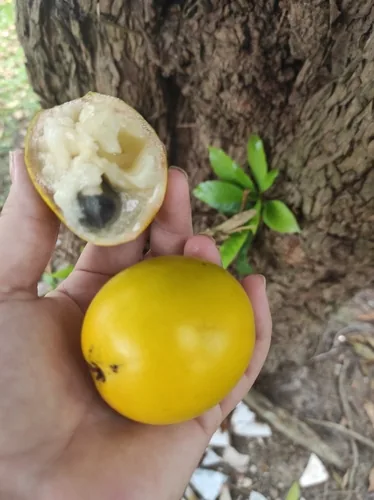
Sapodilla is the brown-sugar fruit that looks like a potato and tastes like dessert cheating. Evergreen tree, milky latex historically used for chicle, and a serious heat requirement. subtropical and tropical Americas is marginal — young trees need frost protection; mature specimens tolerate brief chills better but are not hobby orchard material without microclimate lies you can live with. Full sun for fruiting. Deep, regular watering in establishment; somewhat drought-tolerant later. Well-drained soil; hates standing water on roots. Grafting selected cultivars onto seedling rootstocks. Seeds grow but fruit quality varies wildly. Pick when brown, slightly soft, and fragrant — unripe astringency is a memorable mistake. Sap can irritate skin; handle like an adult.
Permaculture Functions
- Edible: Manilkara zapota fruits shift from astringent to brown-sugar sweet only after full ripeness and a few days of counter rest -- latex from the peel can irritate skin during messy peeling sessions.
- Shade Provider: Evergreen glossy foliage builds a wide dome that shelters cacao, understory vanilla vines, -- and orchard workers in humid lowland plantings.
- Wildlife Attractor: Bats, birds, and fruit flies find fallen ripe sapodillas fast -- when drops hit leaf litter under unmanaged backyard trees.
Companion Planting
Threats & Pressure