About
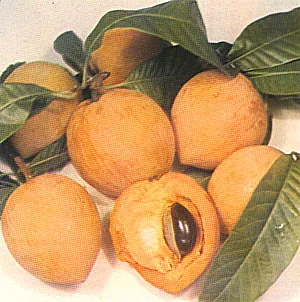
Canistel is the egg-yolk fruit: sweet, mealy, and deeply tropical — not a crisp apple moment. Small evergreen tree, latex in the sap like its sapote cousins. In subtropical and tropical Americas it is a gamble outside the warmest 10b pockets and greenhouse ego; one hard freeze on young wood ends the season's optimism. Full sun for flowering and fruit set once established. Deep, rich, well-drained soil; steady moisture in growth, less when cool. Wind break helps young trees; salt not its favorite neighbor. Seeds: fresh seed germinates erratically but works for backyard trials. Grafting onto related sapote rootstocks is the commercial reliability path. Air layering: possible on mature branches with patience and humidity. Canistel: pick when color, aroma, and a gentle yield to pressure agree for that species -- impatient fruit keeps starch, latex, or both. Clip clusters with clean tools; shallow trays beat deep piles that bruise the optimistic bottom layer. Rain splits thin skins -- pick before monsoon weeks if weather apps cooperate.
Permaculture Functions
- Edible: egg-yolk flesh eats fresh or whips into custards when fully colored and yielding -- unripe fruit stays starchy and latex-astringent on the tongue.
- Wildlife Attractor: small flowers supply nectar to insects -- while ripe thin-skinned fruit draws birds and mammals unless picked before rain splits the skin.
- Shade Provider: forms a modest evergreen sapote canopy that shades ginger-family herbs and nursery tables in frost-free yards -- once scaffold branches widen.
Companion Planting
Threats & Pressure