About
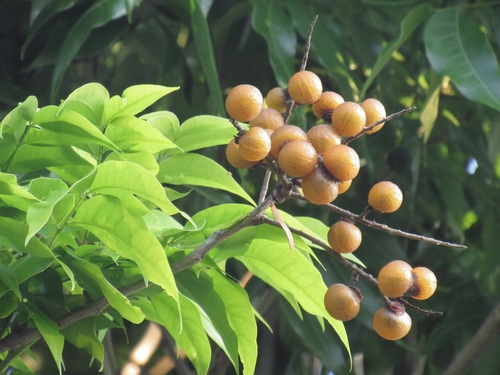
Wingleaf soapberry is a common-name variant for Sapindus drummondii, the western soapberry of south-central North America, with compound leaves—often with winged rachis in some interpretations—and translucent yellow saponin-rich fruit. This duplicate entry matches the Western Soapberry record; scientific identity is identical. Use one database card for inventory; keep both for search coverage. ☀️💧 Sun and Water Requirements: Full sun to partial shade on well-drained soils, including rocky limestone. Drought-tolerant once established; water to establish. ✂️ Propagation: Sow scarified seed; transplant young seedlings carefully. 🌾 Harvest / Best Use Timing: Soap-berry demos only with vetted methods—avoid ingestion games. Wildlife uses fruit through warm-season ripening.
Permaculture Functions
- Wildlife Attractor: Fruit feeds birds adapted to saponin chemistry.
- Erosion Control: Stabilizes rocky slopes and terrace cuts.
- Border Plant: Defines dry woodland edges.
- Ornamental: Lacy compound foliage contrasts evergreens.
Practitioner Notes
- If you already planted “Western Soapberry,” you cloned the same species—wingleaf is label noise, not biodiversity.
- Limestone loyalty beats peat guilt—soil honesty saves replacement costs.
- Foam demos need goggles—kids cheer until chemistry touches eyeballs.
- Range maps beat nursery gossip—tags lie more than coordinates.
Companion Planting
- Western Soapberry — duplicate Sapindus drummondii record under another common name
- Agave — succulent contrast on limestone edges
- Mexican Elderberry — moisture-gradient neighbor at wetter microsites
- Duplicate taxonomy with Western Soapberry—Sapindus drummondii is the anchor
- Saponin toxicity—no casual human snacking
Pest Pressure