About
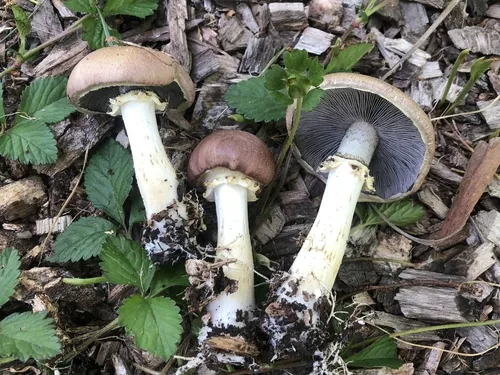
Wine caps are the extroverts of the food forest floor — big burgundy-to-wine-red caps, a skirt-like ring on the stipe, and a habit of threading through wood chip paths and straw beds like they own the place. They are one of the most beginner-friendly outdoor mushrooms for Florida growers: they tolerate heat better than most temperate species, colonize fresh hardwood chips aggressively, and fruit reliably after late summer and fall rain events when beds are established. Placed under fruit trees they turn cardboard and chip aesthetics into a low-input protein crop while the mycelium stitches the soil underneath. Identify before you eat — young wine caps are distinctive, but gilled-mushroom ID discipline still applies. Part shade to dappled sun; full afternoon sun desiccates surface chips and kills fruiting. Consistent moisture during colonization; deep occasional soak beats constant light sprinkle if drainage is good. Fresh hardwood chips and straw layers; avoid bark nuggets and anaerobic pits — both smell wrong and grow the wrong things. Spawn into fresh hardwood chip or straw beds; top-dress yearly with new woody material to sustain the patch. Move handfuls of actively colonized white substrate to new bed areas to extend coverage. Patches become self-sustaining under regularly refreshed mulch. Flush Wine Cap before caps flatten and spores dust -- younger tissue holds better flavor for most logs and beds. Twist or cut at base; second flushes often follow if humidity stays honest. Refrigerate in paper bags and use within days; saute or pickle rather than letting slimy regret arrive.
Permaculture Functions
- Edible: Stropharia rugosoannulata caps stain wine-red when young -- saute until done; confirm burgundy cap, skirted ring, and purple-gray gills before any bite.
- Mulcher: Active patches digest woody mulch faster than passive piles -- top-dress fresh chips yearly or fruiting stalls.
- Ground Cover: Mycelium carpets wood-chip paths under fruit trees -- living mulch you can eat when flushes arrive after rains.
Companion Planting
Threats & Pressure