About
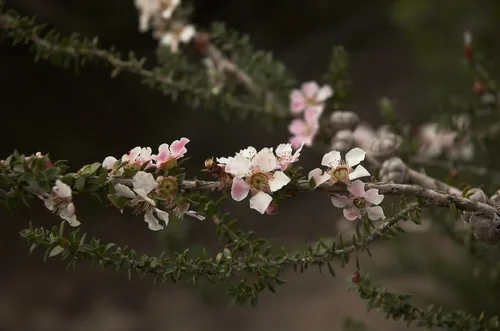
Melaleuca alternifolia is the Australian paperbark shrub behind commercial 'tea tree oil' — pungent foliage, papery bark, bottlebrushy flowers that pollinators audit. Not the tea cup species (that is Camellia sinensis, different homework). Possible in warm pockets; young plants dislike hard freezes. Do not confuse with invasive melaleuca stories from other species — still, respect wetland planting ethics. Full sun. Well-drained soil; tolerates seasonal moisture but not permanent anaerobic swamp pots without appropriate species selection. Moderate water during establishment. Seeds: fine, need light and warmth. Cuttings for cloning preferred chemotypes if you are doing oil trials. Prune leafy tips for distillation experiments where legal and safe — PPE and chemistry respect matter more than Instagram.
Permaculture Functions
- Medicinal: Melaleuca alternifolia leaves steam-distill into terpinen-4-ol rich oil for topical antimicrobials -- separate cosmetic labeling from hospital protocols before marketing gallons.
- Wildlife Attractor: Cream bottlebrush spikes pull honeybees through coastal Australian winters -- when eucalypts stay tight-budded.
- Windbreaker: Paperbark strips shed bushfire heat -- while allowing filtered light through hedgerows on sandy coastal dairy blocks.
Companion Planting
- Waterlogged heavy clay without mound planting
- Sloppy essential-oil bro science without safety homework
Threats & Pressure