About
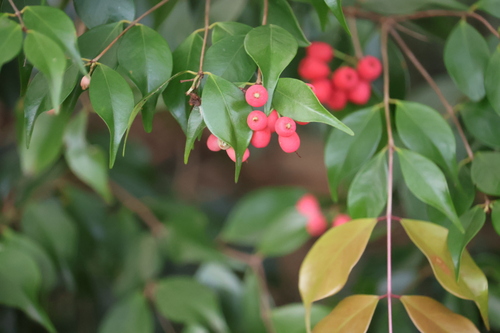
Syzygium luehmannii is the riberry tree, an Australian rainforest margin species grown for small crimson fruit with clove-cinnamon aromatics used in sauces, jams, and boutique drinks. Plants reach 20–40 feet (6–12 m) in humid subtropical climates, with glossy foliage and flaky bark on older trunks. It belongs in bird-friendly food forests and specialty orchards where myrtle rust regulations still permit planting. ☀️💧 Sun and Water Requirements: Full sun to bright partial shade; afternoon shade reduces tip burn in hot districts. Rich, well-drained soils with steady moisture through the warm wet season and irrigation in dry spells support fruit sizing. Wind protection helps large leaf canopies. ✂️ Propagation: Sow fresh seed promptly; air-layer or graft selections with superior fruit chemistry. Prune for clearance and hedge form as needed. 🌾 Harvest / Best Use Timing: Pick when color and aroma peak—process quickly. Peak loads track local heat and rainfall cycles.
Permaculture Functions
- Edible: Aromatic fruit diversifies sauces and beverages where spice notes matter.
- Wildlife Attractor: Flowers feed bees; fruit feeds birds when sharing is planned.
- Ornamental: Bark and foliage add landscape value beyond fruit years.
- Border Plant: Responds to hedging where airflow is maintained.
Practitioner Notes
- If you also planted “Riberry,” you duplicated this taxon—congratulations on bilingual database entries.
- Spice notes punish heavy sugar—taste before jamming like a donut shop.
- Fruit flies RSVP to drops—sanitize ground fruit or accept larvae souvenirs.
- Flaky bark is a feature—do not scrub trunks like kitchen pans.
Companion Planting
- Riberry — duplicate record under English common name; same species, different slug for searchers
- Syzygium australe — related lilly pilly with staggered fruiting for extended harvest
- Lemongrass — perimeter herb along driplines with volatile oils
- Duplicate database entry with “Riberry” — Syzygium luehmannii is the taxon; pick one card for field notes
- Myrtle rust monitoring—follow regional alerts and resistant selections when possible
Pest Pressure