About
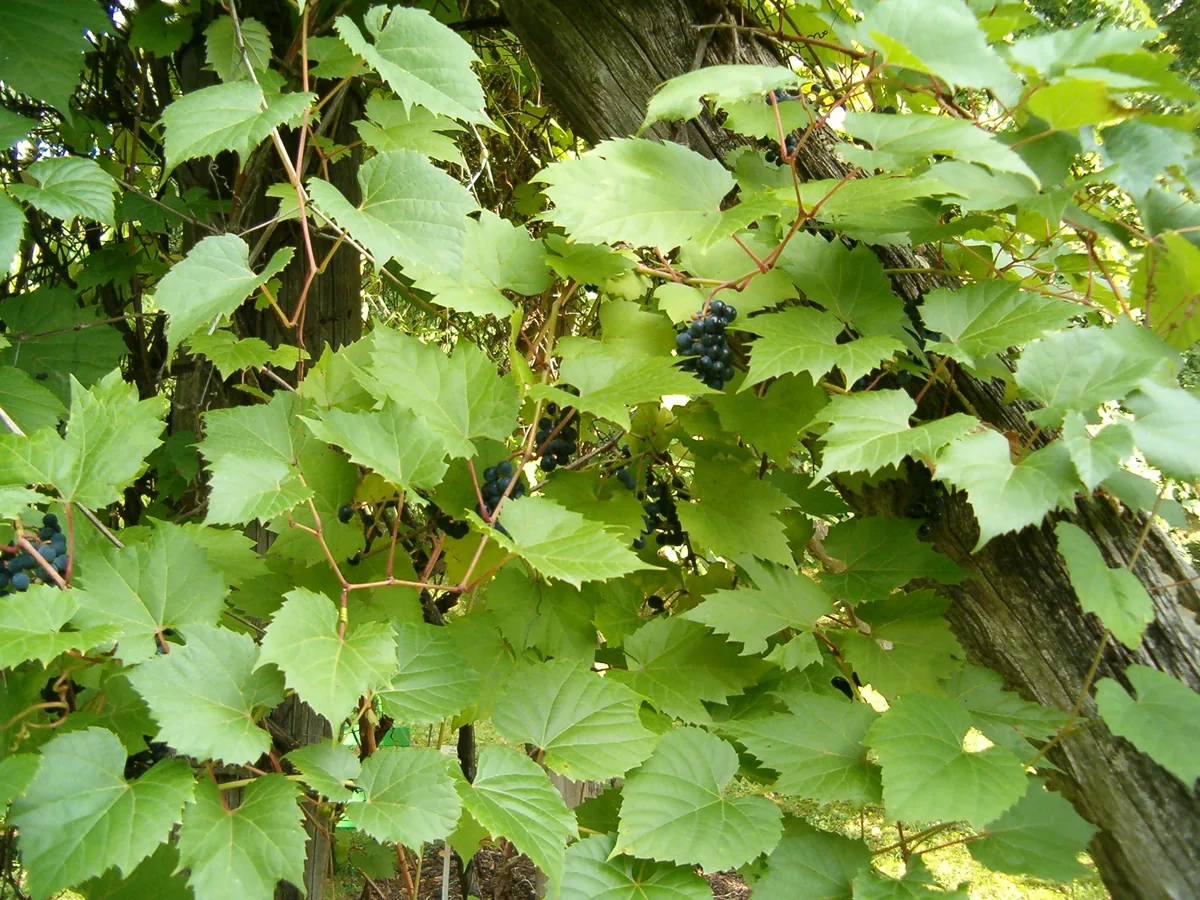
Riverbank grape (Vitis riparia) is a cold-hardy North American wild grape of floodplains, riverbanks, and fencerows from the Atlantic to the Rockies. Small blue-black berries cluster tightly; leaves are often glossy with a skunky note when crushed. It is the rootstock ancestor behind many cultivated grapes and a resilient native for riparian buffers and pergolas in harsh winters. Full sun for reliable fruit; tolerates partial shade along woods edges. Moisture-loving compared to dune grapes; tolerates seasonal flooding yet needs drainage between events. Average to rich soils; vigorous in alluvium. Hardwood cuttings in late winter; extremely easy with bottom heat. Layering canes to soil in spring. Seeds stratify and sprout in year two—clonal propagation dominates. Pick fruit at full color for jelly and wine trials; acid and tannin are high—balance in the kitchen. Leave plenty for birds migrating along rivers. Prune hard in dormancy on trellises to improve airflow and access for organic disease management.
Permaculture Functions
- Edible: Vitis riparia tight clusters of small blue-black fruit cook into high-acid jelly and country wine once sugar balances skunky-crushed-leaf aromatics in the kitchen -- pick at full color; expect rootstock tannins, not table-grape sweetness.
- Wildlife Attractor: Migrating robins and raccoons strip riverside clusters; foliage feeds grape flea beetle and sphinx larvae native to floodplain edges -- leave upper canopy fruit if you share a flyway hedgerow honestly.
- Erosion Control: Deep roots and suckering crowns knit alluvium on scoured banks after ice jams retreat -- train off lone yard trees or riparian trunks you want to keep bark-intact; riparia climbs like it means it.
- Shade Provider: Dense summer leaves on pergolas and cattle lanes cast moving shade where humid Midwest summers punish open pens -- dormant hard pruning keeps fruiting wood reachable without jungle tangle.
Companion Planting
Threats & Pressure