About
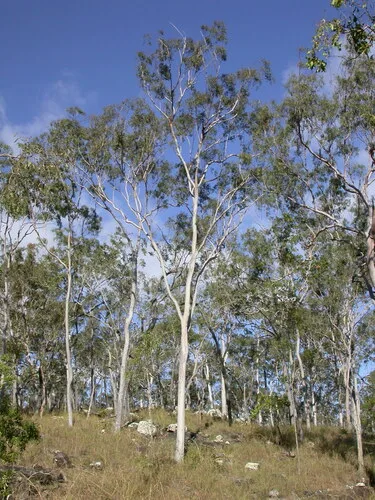
Lemon eucalyptus is a fast Australian gum that smells like someone hid a lemon drop in the canopy. Essential oil from leaves powers citronella-type products; the tree itself is a skyscraper with opinions about fire ecology — not a cute patio pot forever. In subtropical and tropical Americas it grows where winters are mild; young trees are frost-tender in cooler subtropical pockets, while mature specimens handle brief chills better—still not a parka substitute. Full sun; open sky or forget serious height. Tolerates poor soils once established; young trees want consistent moisture to outrun stress. Avoid chronic waterlogging; roots hate suffocation. Seeds: sow fine seed on surface; do not bury deeply; warmth speeds germination. Cuttings: possible for some clones but variable; seed lines are more common for home growers. Harvest Lemon Eucalyptus aerial parts in early flowering for many mint-family uses -- oils shift after full bloom. Dry in shade with airflow between 95-110°F (35-43°C) until crisp; mold invalidates the batch. Label harvest date and plant part -- winter you will not remember which jar was optimism.
Permaculture Functions
- Medicinal: Corymbia citriodora leaves distill citronellal-rich oil used in repellent products -- commercial steam distillation is standard; backyard stills need fire-safety homework before you scale up kitchen experiments.
- Windbreaker: Smooth, straight trunk lifts a high crown that strips momentum from coastal winds -- site upwind of tender crops but outside falling-branch range of buildings because gums shed big wood in storms.
- Mulcher: Thick papery bark and aromatic leaf drop feed fast fungal decomposition under the drip line -- rake fuel away from structures in fire-prone landscapes where eucalyptus litter raises ignition risk.
- Wildlife Attractor: White flowers feed honeybees and lorikeets where ranges overlap -- hollow-forming branches later house cavity nesters if you retain safe snags.
- Ornamental: Powder-white trunk and lemon-scented juvenile foliage read classic Australian park tree -- plan for 100-foot height because small-lot plantings become sidewalk heave and neighbor disputes within a decade.
Companion Planting
- Planting under power lines unless you enjoy angry letters
- Fire-prone wildland edges without management plan
Threats & Pressure