About
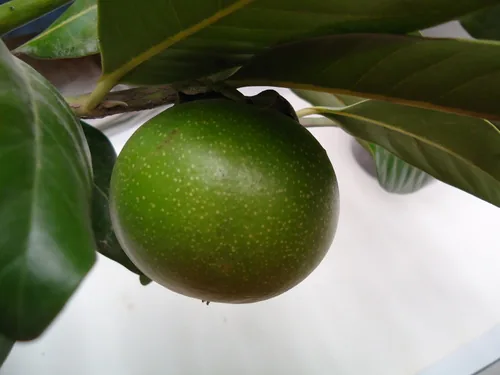
Black sapote is the persimmon that cosplays as dessert—green skin, pulp that ripens to brown and spoonable, flavor that is mild-sweet and not actually chocolate no matter what the brochures claim. Evergreen to semi-evergreen tree with glossy leaves and the quiet confidence of something that fruits in the tropics. True tropical. 9b explorers need serious microclimate or accept occasional insult from cold snaps. Coastal tropical and subtropical zones and keys energy. Full sun for fruiting. Deep, regular watering when young; established trees tolerate short dry periods but not salt spray bravado without selection. Seedlings variable; grafted trees for known fruit quality. Fresh seed germinates readily in warm mix. Pick mature-green fruit with a tight calyx and ripen off the tree until pulp softens and darkens; fully green hard fruit will not rescue itself on the counter.
Permaculture Functions
- Edible: Diospyros nigra pulp ripens brown and spoon-soft off-tree like pudding once picked mature-green with tight calyx -- flavor stays mild-sweet, not cacao, no matter what marketers print on flyers.
- Ornamental: Glossy evergreen canopy carries tennis-ball fruit that photographs like chocolate props -- grafted cultivars control seediness; seedlings stay genetic roulette for texture.
- Wildlife Attractor: Split overripe fruit draws opossums and fruit flies within hours of human procrastination -- leave a sacrificial groundcloth row if you want honest wildlife rent without porch mess.
Companion Planting
- Exposed frost hollows
- Waterlogged heavy clay
- Mulch species
Threats & Pressure