About
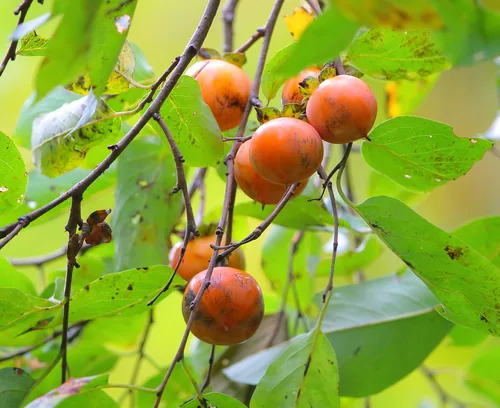
American persimmon is the native astringent poker that ripens into sugar only after frost—or patience—then feeds everything with a sweet tooth. Taprooted, slow to fruit from seed, worth it for honest regional food forests. Right at home; fruit quality varies wildly by genetics—grafted cultivars exist for people who dislike botanical roulette. Sun and water: Full sun for best fruiting. Tolerates poor, dry soils once established; appreciates deep watering when sizing fruit in sandy drought. Seeds (deep taproot, long juvenility); grafting onto seedling rootstock for known fruit; transplant very young trees only. American Persimmon: pick when full color, slight give, and aroma align -- early picks often ripen off-tree in a 65-72°F (18-22°C) room. Taste-test one fruit per tree sector; sun-exposed shoulders ripen faster than shaded interiors. Process windfalls within hours for jam or pulp; leaving them invites fruit fly internships.
Permaculture Functions
- Edible: Diospyros virginiana pulp sweetens after soft-ripe frost or long counter ripening while astringent chalk stage punishes impatient bites -- grafted cultivars give predictable dessert texture; seedling trees stay botanical roulette for a decade.
- Wildlife Attractor: Orange globes hang into late fall for raccoons, deer, and songbirds that read sugar better than humans read calendars -- leave windfalls if you want honest mast instead of sterile turf strips.
- Ornamental: Blocky bark, black gumdrop buds, and apricot fall color carry winter interest in eastern food forests -- multi-trunk forms look architectural without needing separate ornamental filler trees.
Companion Planting
- Expecting instant gratification from seedling trees
- Planting under aggressive turf competition without mulch ring honesty
- Native grasses
Threats & Pressure