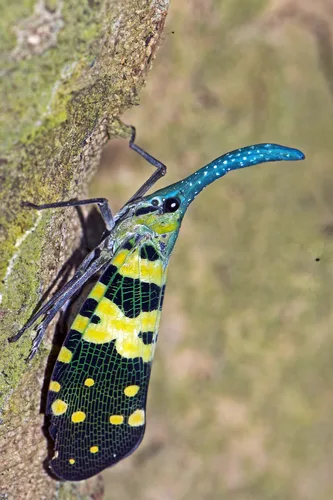
Field Identification
Planthoppers are sap-feeding hemipterans that include many shapes from moths-like planthoppers to wedge-shaped rice pests. Dense populations cause hopperburn, stunt growth, and vector plant pathogens on some crops. Honeydew supports sooty mold when species excrete it. They explode after mild winters, continuous cropping, or excessive nitrogen that favors rapid nymph development across tropical to temperate rice, pasture, and orchard systems.
Adults jump or fly short distances when disturbed, unlike slower mealybugs. Nymphs sometimes coat stems in waxy floc on certain species. Beat cane into a tray to count adults. Compare with leafhoppers by body profile and wing posture in field guides for your region.
Not sure what you have? Use the symptom diagnosis tool →
How to Deal With It
Organic Control Methods
Egg parasitoids in Mymaridae and Scelionidae attack planthopper eggs when present in rice and pasture research plots. Spiders and predatory mirids consume nymphs. Dryinid wasps parasitize adults in some systems. Preserve hedgerow flowers and reduce broad-spectrum sprays during nymph peaks so biocontrol can respond.
Avoid excessive nitrogen that produces ultra-soft tissue planthoppers colonize fastest. Rotate flooded rice with dry periods where water management allows disease and pest cycles to break. Use resistant cultivars where breeding programs have released material for your pathosystem. Screen greenhouse vents to exclude adults on propagation crops.
Remove volunteer hosts and ratoon growth that bridges generations. Manage weeds inside ditches adjacent to fields when extension links them to planthopper movement. Lower seeding rates in some rice systems reduce humidity in canopy microclimates -- follow local agronomy.
Vacuum is not practical at field scale but light traps help monitor flights near high tunnels. For small orchards, banding sticky traps on trunks catches some dispersing adults depending on species behavior.
Neem and Beauveria products suppress nymphs when coverage reaches leaf sheaths and bases. Soaps work on exposed nymphs with thorough wetting. Bt products are not the primary planthopper tool -- verify labels. Rotate modes of action where resistance is documented for your crop.
Let Nature Handle It
Natural Enemies
- Parasitic Wasps
- Spiders
- Predatory Beetles