About
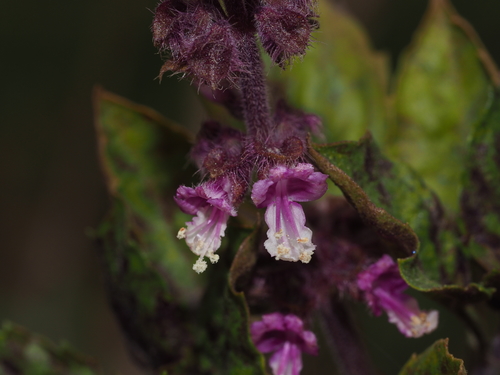
Sacred basil — tulsi — is the aromatic shrubby basil that thinks sweet Genovese basil is soft. Peppery-clove scent, small leaves, and a cultural resume longer than this file. In true tropical frost-free pockets it is a short-lived woody perennial; in subtropical and tropical Americas grow as a heat-season annual unless you overwinter cuttings indoors. Full sun, excellent drainage, and airflow reduce downy mildew’s invitation to the party. 🌞💧 Sun and Water Requirements: - Full sun for dense, aromatic growth. - Moderate water; let soil breathe between drinks. - Well-drained loam; pots work well in humid rainy spells. ✂️🫘 Methods to Propagate: - Seeds: surface sow warm. - Cuttings root readily in water or humid media for winter insurance. 🧑🌾👩🌾 When to Harvest: - Pinch flowering tops for leaf production or allow bloom for pollinators — pick your theology.
Permaculture Functions
- Medicinal: Adaptogen-adjacent herbal fame — still a plant, not a pharma press release.
- Pollinator: Small flowers feed bees and tiny wasps.
- Edible: Tea, fresh leaf use, and syrups in culinary traditions.
- Pest Management: Strong scent in polycultures can mask neighbors — scout anyway.
Sacred basil is medicine, tea, and insect confusion in one plant:
Practitioner Notes
- Harvest texture changes faster than color—nip one sample before you commit the whole row to a pick date.
- Weigh small test batches before scaling tinctures—solvent ratio mistakes are expensive at gallon ambition.
- Deadhead for repeat bloom if the species responds; leave late heads if birds or beneficials need seed.
- Watch the plant’s own signals first—catalog zone numbers do not replace your site’s microclimate truth.
Companion Planting
- Lemongrass
- Ginger
- Tomato
- Shady wet corners where mildew throws parties
Pest Pressure