About
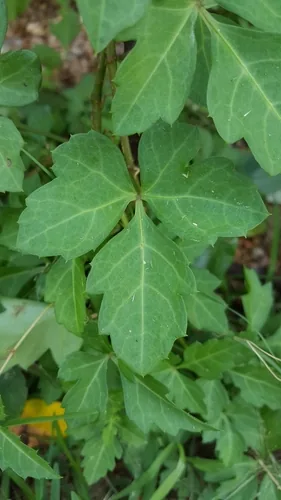
Possum grape (Vitis baileyana) is a high-climbing wild grape native to parts of the south-central United States and adjacent Mexico, favoring woodland edges and limestone country. Small dark fruit clusters ripen for wildlife more than for human jam factories—flavor is tart and seedy. It fills a niche beside better-known riverbank and summer grapes where localized ecotypes matter to native insect communities. Full sun to partial shade; heavier fruiting with more light. Moderate moisture; drought tolerant once established but young vines need irrigation. Well-drained to rocky soils; tolerates alkaline substrates where other grapes flag. Hardwood cuttings in late winter; callus then pot before heat. Layering canes to soil in spring. Seeds need stratification and patience—clonal methods are practical. Pick for jelly trials when berries are fully colored and slightly soft; expect labor for modest yield. Leave the bulk for birds and mammals that move seeds across fences. Winter prune to reduce weight on fence wire and improve spray penetration if managing disease.
Permaculture Functions
- Edible: Vitis baileyana small clusters run seedy-tart like other native grapes -- cook with sugar and strain for jelly honest about yield; limestone-country ecotypes color darker at ripeness than sandy ones.
- Wildlife Attractor: Dark fruit feeds foxes, raccoons, and songbirds; foliage hosts sphinx moths and leafhoppers that wood-warblers pick through -- leave some clusters if restoration goals beat human jelly quotas.
- Shade Provider: High-climbing deciduous canopy on arbors and cattle pens cuts summer UV while winter leaflessness returns light for solar drying racks -- retighten wire annually because grape weight grows faster than optimism.
Companion Planting
Threats & Pressure