About
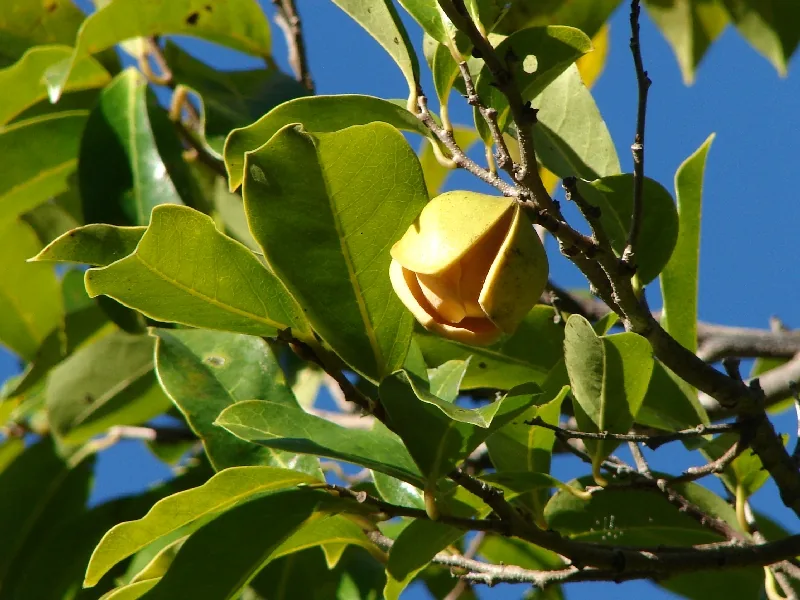
Mountain soursop (Annona montana) is a tropical annonaceous tree with glossy leaves and aromatic, custard-apple-family fruit that tends to be more acidic and fibrous than commercial soursop (Annona muricata), but still squarely in the “spoon and hope” dessert category. Trees often reach 20–40 feet in cultivation, forming a rounded crown useful for dappled shade in food forests. subtropical and tropical Americas: At home in Puerto Rico’s lowlands and humid foothills; in Florida treat it as a serious 10b+ proposition with wind protection and excellent drainage—annonas hate soggy roots about as much as bureaucracy. Full sun for best flowering and fruiting once the frame is established. Deep, fertile, well-drained soil; steady moisture in the wet season, disciplined drainage in the dry season to avoid phytophthora fan clubs. Seeds: plant fresh; seedlings vary—expect a lottery unless you clone elite mothers. Grafting or budding onto compatible annona rootstocks where specialists offer material; timing follows warm-season cambium activity. Pick when fruit yields slightly to pressure and aroma turns up the volume; flavor ripens off-tree to a point—experience beats Instagram timing. Process quickly; annona pulp does not respect your weekend schedule.
Permaculture Functions
- Edible: Annona montana fruit stays more acidic, aromatic, and fibrous than commercial Annona muricata yet still spoons into custards, juices, and ice creams once fully soft -- pick on slight yield and rising perfume, then process pulp fast before oxidative browning wins.
- Wildlife Attractor: Nitrophilic beetles and other annona-specific pollinators work the protogynous flowers at dusk -- ripe fruit feeds bats and birds unless you bag scaffolds, so plan harvest timing with frugivore calendars.
- Shade Provider: Rounded 6–12 m crown gives dappled humid-tropical shade for understory ginger, turmeric, or vanilla on mulched berms -- open interior pruning improves airflow where night humidity stacks anthracnose pressure.
- Medicinal: Bark and leaf decoctions appear in Caribbean folk materia medica for parasitic and fever narratives tied to acetogenin chemistry -- internal use belongs with trained practitioners because therapeutic margin and species ID errors are both real risks.
Companion Planting
Threats & Pressure