About
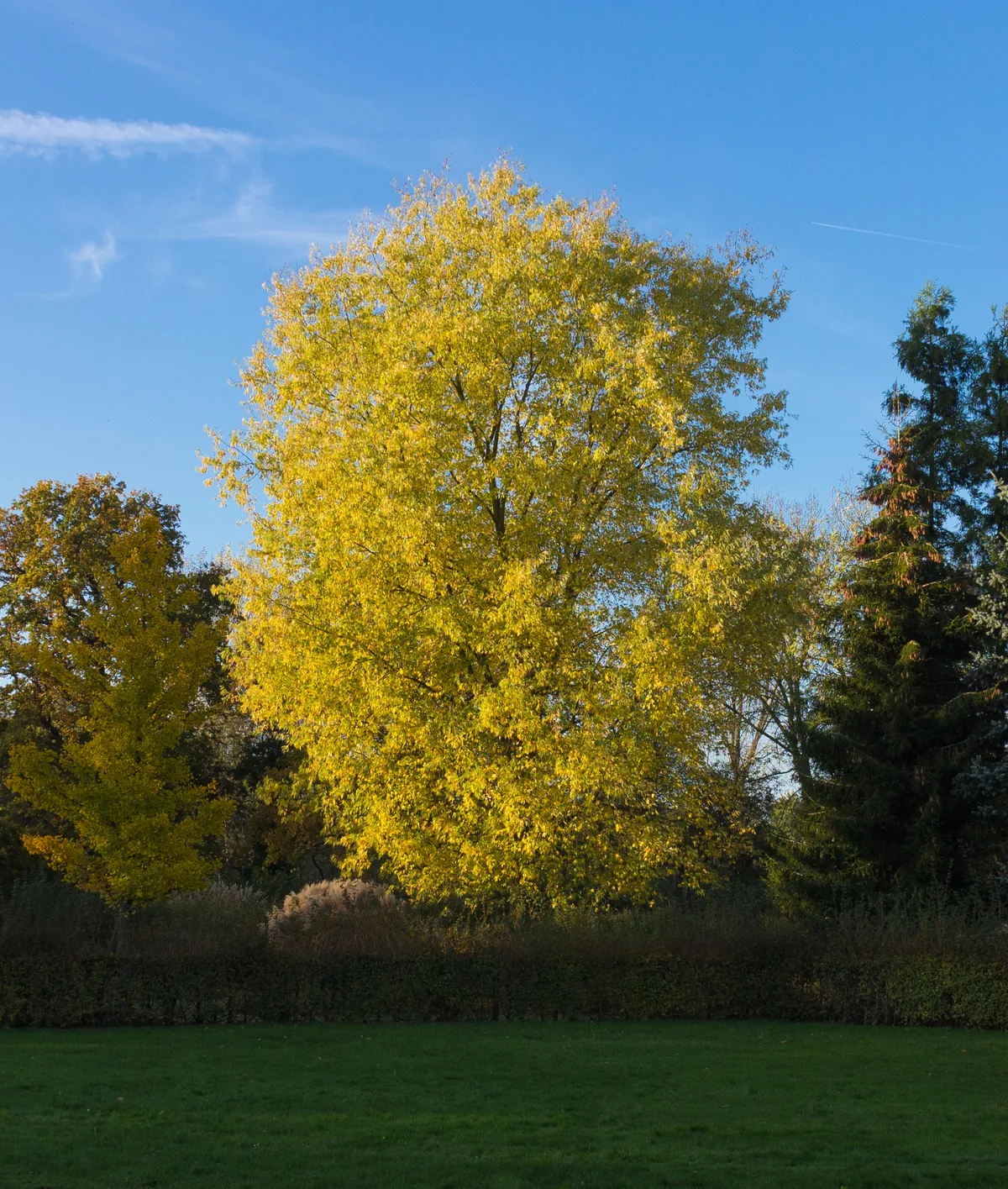
Florida maple (Acer floridanum), often treated as Acer saccharum subsp. floridanum, is a medium deciduous maple of moist hammocks, river bluffs, and rich bottomlands across the southeastern United States, with three-lobed leaves that turn butter yellow in cool seasons and samaras that spin like tiny helicopters. It is the southern sugar-maple cousin—sap sugar lower than northern sugarbush legends but still ecologically central for canopy diversity and wildlife food. Use it as a shade tree in humid subtropical transitions where red maples dominate conversation but you want a different nutrient profile in leaf drop. Full sun to partial shade; juvenile trees appreciate afternoon shade in hottest zones. Prefers moist, well-drained, fertile soils rich in organic matter; tolerates periodic flooding better than drought. Mulch widely to protect surface roots from mower and drought stress. Hardy into cool-temperate winters at the north end of its range; southern forms handle heat but still need root moisture. Sow fresh samaras in fall or stratify dry seed for spring germination. Graft selected individuals onto seedling rootstocks for predictable fall color in warm climates. Small-batch syrup trials need many taps and modest expectations compared with northern Acer saccharum. Prune in dormancy for structure; avoid heavy midsummer cuts that invite borers and sunscald on thin bark.
Permaculture Functions
- Wildlife Attractor: Acer floridanum paired samaras spin down for squirrels -- while aphid honeydew guilds feed wasps along hammock limestone bluffs where southern sugar maple genetics still set viable seed each wet spring.
- Shade Provider: Rounded thirty-to-forty-foot crowns cast high shade over spicebush rows on moist river terraces without deep Juglans shadow pools -- that smother bramble fruiting canes on the same north-aspect guild.
- Mulcher: Three-lobed yellow fall leaves pack calcium for earthworm middens under drip lines on organic-rich bottomlands -- where summer drought once crisped lesser maple selections without mulch rings you widened.
- Ornamental: Reliable butter-yellow pigment shows where northern Acer saccharum cultivars scorch leaf margins in Gulf heat -- if irrigation swings boom-bust across zone 6-9 transition yards you monitor with tensiometers.
Companion Planting
Also mentioned as companions:
- Flowering Dogwood
- Fern
Not yet profiled in PermiePortal
- Black Walnut — maples vary in tolerance; avoid tight interplanting where juglone and moisture stress stack
Threats & Pressure