About
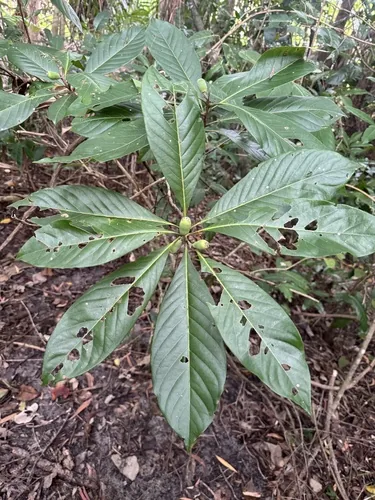
Finger cherry (Syzygium australe) is an Australian rainforest margin tree or large shrub widely planted in humid subtropical landscapes for glossy leaves, fluffy cream flowers, and magenta to red pear-shaped fruit nicknamed finger cherries in some markets. Cultivated specimens often reach 15–30 feet (4.5–9 m) but accept hedging. It is a Myrtaceae workhorse for edible hedgerows and windbreaks in frost-free climates where psyllid pressure is managed thoughtfully. Full sun to bright part shade; dense shade reduces flowering and fruit. Rich, well-drained soils with steady moisture through warm growth periods; mulch conserves water and feeds surface roots. Protect young plants from drying wind and salt spray on exposed coastal lots. Sow fresh seed after cleaning; viability declines if seed desiccates. Semi-hardwood cuttings root under humidity for uniform hedge lines. Tip-prune young plants to encourage branching before they race for the sky. Pick fruit when color deepens and flesh yields slightly for fresh eating or preserves—flavor varies by selection. Clip hedges after main flowering if you prioritize form over maximum fruit. Monitor new flush for psyllid curling; early water blast beats panic spraying.
Permaculture Functions
- Edible: Syzygium australe magenta pear-shaped fruit shifts from tannic hedge-grade to mellow sweet when picked soft-ripe for backyard jams along humid zone 9-12 Myrtaceae hedgerows -- taste clones before you plant a mile of hedge from one nursery photo.
- Ornamental: Copper new flush against cream powder-puff inflorescences sells the screen -- before fruit proves the selection worth the psyllid scouting you signed up for on coastal lots.
- Wildlife Attractor: Myrtaceous nectar supports honeybees and stingless-bee hobbyists through spring flush -- while ripe fruit draws fruit flies and fruit-eating birds unless harvest beats their calendar on the same row.
- Border Plant: Accepts hedge shears at three-foot wingspans or trains single-leader small trees for sight-line blocking on brackish wind lots -- where salt spray browns many broadleaf alternatives.
Companion Planting
- Hard frost — tissue damage below roughly 26°F (-3°C) on exposed sites; protect young plants
- Psyllid and scale pressure — humid coastal plantings need monitoring, not neglect dressed as organic virtue
Threats & Pressure