About
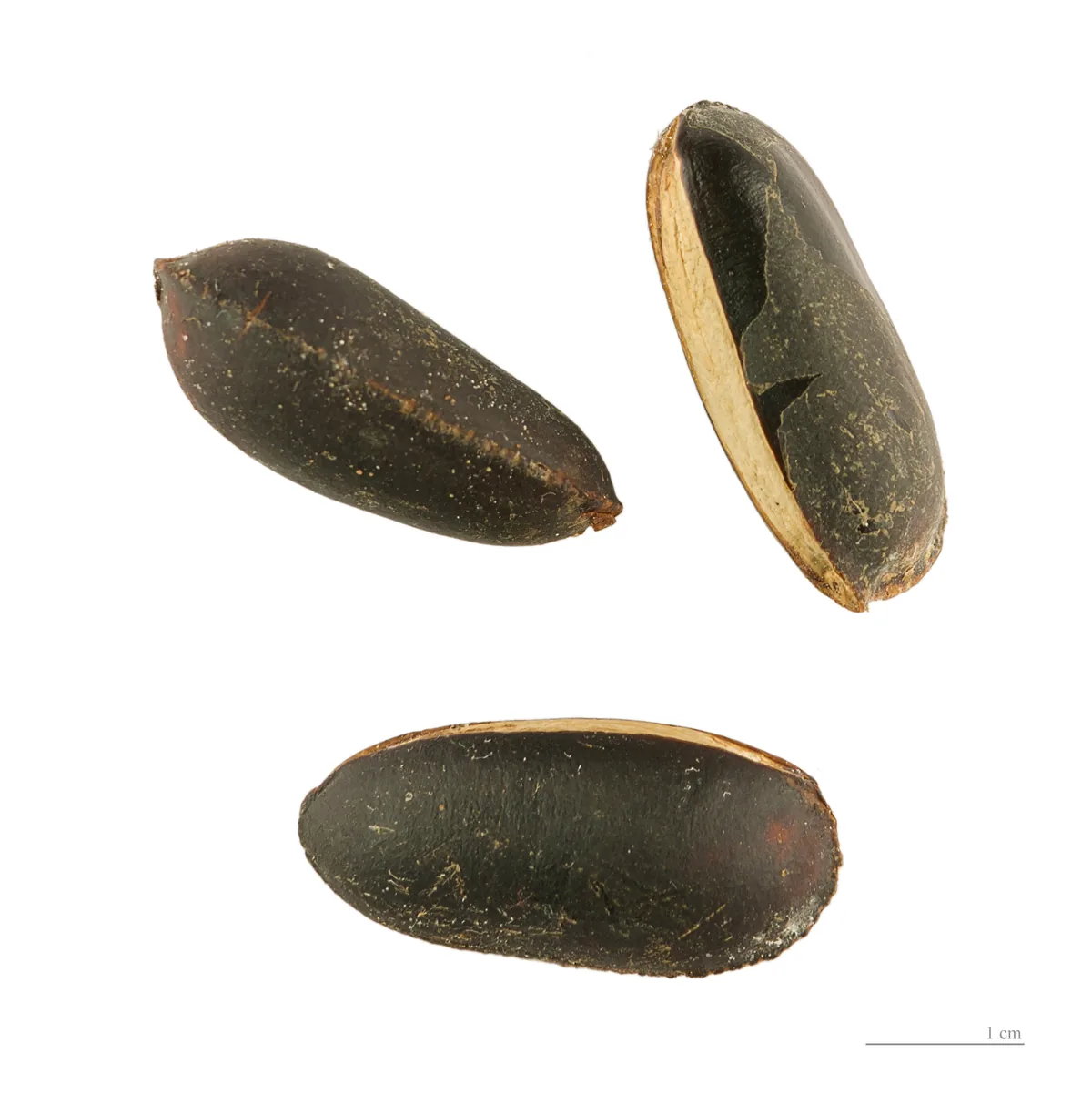
Chrysophyllum cainito is tropical dessert architecture: glossy leaves with bronze undersides, latex milky sap, and fruit that splits into a star-shaped interior when you behave and cut it horizontally. Truly tender when young; mature trees tolerate brief chills better but this is still a south-of-the-line gamble outside protected 10a microclimates. Full sun for best fruiting once established. Deep, fertile, well-drained soil; steady moisture during fruit development. Wind protection while young — snapping leaders is not on-brand. Seeds: viable fresh seed; juvenility is long — brace yourself. Grafting selected cultivars: the adult-in-the-room option. Air-layering works on known good trees. When color matures (purple or green types) and flesh yields slightly — overripe goes mushy fast.
Permaculture Functions
- Edible: fruits yield sweet, milky-sap flesh for fresh slices when fully colored and slightly yielding -- latex stains knives but signals ripeness in green and purple types.
- Shade Provider: holds a glossy evergreen crown that throws dense shade for shade-tolerant understory crops -- once the tree reaches fruiting size in zone 10a+ microclimates.
- Wildlife Attractor: Ripe Chrysophyllum cainito star apples attract birds and mammals to the canopy and groundfalls -- so harvest timing competes directly with frugivores in humid sites.
Companion Planting