About
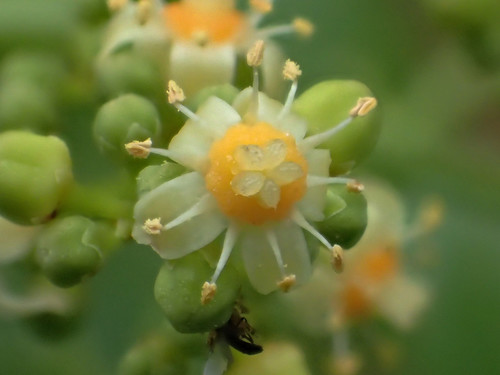
Ambarella (Spondias dulcis) is a fast-growing tropical to subtropical tree widely planted across humid lowland regions for crisp green fruit used pickled, stewed, or sliced with salt and chile. It commonly reaches 30–45 feet (9–14 m) in cultivation with a rounded crown of pinnate leaves and terminal clusters of small white flowers. The species fits warm-climate home orchards and multistory food forests where a productive mid-canopy tree is needed before slower hardwoods mature. ☀️💧 Sun and Water Requirements: Full sun drives dense canopy and reliable flowering; young plants appreciate light shade for the first dry season. Likes deep, fertile, well-drained soil with steady moisture during push growth, then moderate dryness between rains once established. Protect from prolonged cold below about 30°F (-1°C); foliage and young wood burn quickly in advective freezes. ✂️ Propagation: Sow fresh seed soon after cleaning; viability drops if seed desiccates. Air-layer or graft selected fruit types to match market or kitchen expectations. Tip cuttings root in humid shade during warm months on mature, healthy stock. 🌾 Harvest / Best Use Timing: Pick fruit green and firm for crunchy use, or allow partial yellowing for sweeter slices—texture changes fast once soft. Process pickles and sauces in batches; ripe fruit does not ship like industrial mango logistics pretend.
Permaculture Functions
- Edible: Tart-crisp fruit supports fresh, pickled, and cooked uses through the warm season.
- Shade Provider: Open canopy casts shifting shade for understory herbs and soft-stemmed crops.
- Mulcher: Compound leaves drop abundantly, feeding soil fauna on the forest floor.
- Wildlife Attractor: Flowers and fallen fruit feed insects, birds, and other frugivores where allowed.
- Windbreaker: Multiple trees in a row buffer trade winds across coastal and island sites.
Practitioner Notes
- Seedlings vary in fruit quality—graft known lines if you dislike fibrous lottery fruit.
- Heavy cyclic leaf drop is feature not failure; rake less, mulch more.
- Prune for a single leader early if you want walk-under clearance for harvest and mowing.
- Iron chlorosis on high-pH irrigation water shows as yellow new leaves—address soil pH before spraying folklore.
Companion Planting
- Papaya — fast fruiting understorey catches light gaps without competing at ambarella root depth
- Banana — pseudostems recycle potassium-heavy mulch under the dripline of taller fruit trees
- Lemongrass — aromatic clump edge marks paths and tolerates root competition at the drip line
- Related species sensitivity — check skin contact if you react to other Anacardiaceae sap
Pest Pressure