Field Identification
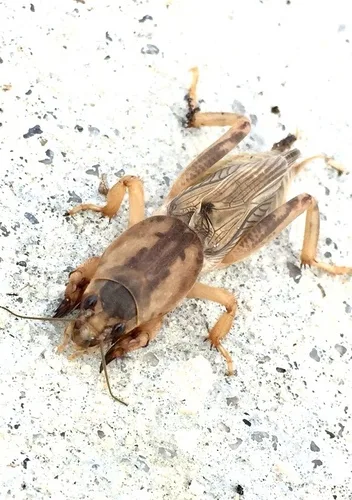
Mole crickets are chunky orthopterans with shovel-like forelegs that tunnel through soil, severing roots and uprooting small plants. Turf feels spongy and tunnels may open after rain. Some species call loudly at dusk. They are serious pests of lawns, pastures, and vegetables on sandy soils from warm temperate to tropical lowlands wherever moisture allows year-round activity.
Identify by the thumb-shaped digging legs and cylindrical body compared with true mole tunnels from mammals. Soap flushes bring nymphs to the surface for counting. Look for dying grass in irregular patches following tunnel lines. Distinguish damage from white grubs by the presence of surface tunneling and audible chirping in some species.
Not sure what you have? Use the symptom diagnosis tool →
How to Deal With It
Organic Control Methods
Larra bicolor wasp parasitizes Scapteriscus adults in parts of the introduced range. Steinernema scapterisci nematodes infect mole crickets when soil temperatures match label windows. Bacillus thuringiensis japonensis strain buibui is labeled for mole cricket nymphs in some products. Avoid blanket carbamate history in soil if you want these biologicals to persist.
Reduce outdoor lighting near turf during flight peaks if extension maps show your species is attracted to lights for mating. Improve internal drainage on chronically wet fairways. Choose endophytic grasses where they reduce injury on supporting species. Quarantine sod rolls from known hot spots before laying large areas.
Roller packing after irrigation can close shallow tunnels on sports fields where turf managers accept the tradeoff. Raise mowing height to increase rooting volume that tolerates partial root pruning. Overseed thin zones in fall after nymph control windows pass.
Flooding small areas briefly can drive mole crickets to the surface for hand removal on garden scale -- check water rules. Traps baited with synthetic song are used professionally for monitoring. For home beds, digging and destroying egg chambers in spring reduces local pressure when found.
Nematode applications are the most consistent organic tool when irrigation follows immediately. Neem drenches show mixed data. Essential oil mixes vary by product -- verify turf safety. Repeat treatments may be needed through nymph stages because contact products miss deep tunnelers.
Let Nature Handle It
Natural Enemies
- Parasitic Wasps
- Nematodes
- Ground Beetles
Threat Map