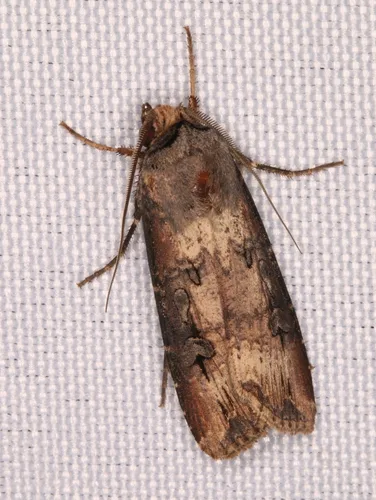
Field Identification
Cutworms are caterpillars that clip seedlings at soil line, sometimes dragging small plants underground to feed. They feed at night and hide just under the soil surface by day, which makes blame fall on birds or rabbits first. Outbreaks follow weedy fallow, fresh tillage, or thick mulch that gives them cover. They occur on vegetables, grains, and nursery transplants across temperate to subtropical production zones.
Search the top inch of soil within an inch of a freshly cut stem to find a curled caterpillar in earth-tone colors. Droppings are small dark pellets near the wound. Distinguish from slug slime trails and from wireworm hollowed stems. Many species have distinct setae patterns under magnification if you need species-level ID for trap crop planning.
Not sure what you have? Use the symptom diagnosis tool →
How to Deal With It
Organic Control Methods
Trichogramma wasps parasitize eggs of some cutworm species when released at correct density and timing. Ground beetles, ants, and spiders consume eggs and small larvae at the soil surface. Bacillus thuringiensis kurstaki (Bt) kills young caterpillars that ingest treated leaf tissue -- it is ineffective on large larvae hiding in soil. Nematodes can infect cutworms in moist soil when species and rates match label guidance.
Mow or till weeds two weeks before planting to flush cutworms through the food gap before your crop goes in. Delay transplanting until soil warms slightly so plants outgrow vulnerable size quickly. Remove crop residue that shelters larvae between seasons where rotation allows. Scout edges of fields next to sod or pasture, because adults migrate from those habitats.
Collars made from cardboard or plastic cups sunken around stems block surface feeding on high-value transplants. Bare soil cultivation for a few days before planting exposes larvae to birds. Intercrop fast-germinating covers that do not shade the main crop excessively if your system uses that pattern. Avoid planting into freshly killed sod without a waiting period.
Hand pick larvae during evening checks with a headlamp -- effective on small beds. Cultivate lightly between rows in the morning to desiccate larvae forced to the surface. For high tunnels, disturb mulch bands where cutworms concentrate after irrigation.
Bt sprays in evening cover foliage eaten overnight -- reapply after rain. Spinosad is allowed in many organic systems for chewing larvae -- rotate modes of action and protect pollinators by not spraying open flowers. Neem can reduce feeding damage on some species but works slowly. Always confirm preharvest intervals on food crops.
Let Nature Handle It
Natural Enemies
- Parasitic Wasps
- Ground Beetles
- Spiders