About
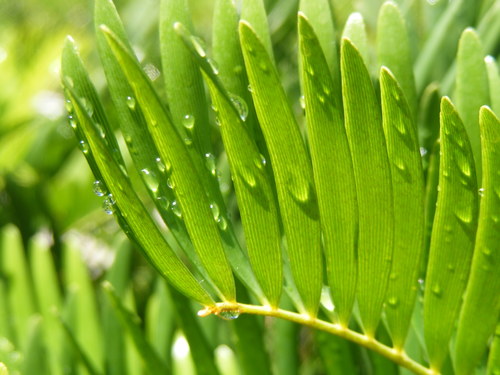
Zamia integrifolia, widely known as coontie, is a cycad native to subtropical southeastern North America and the Caribbean rim, forming a low shrub of stiff pinnate leaves from an underground stem. It tolerates sun, drought, and poor sandy soils once established, making it a backbone plant in xeric subtropical gardens and atala butterfly habitat restoration. All parts contain toxic compounds—especially improperly processed roots—so treat it as landscape and ecology, not emergency calories. ☀️💧 Sun and Water Requirements: Full sun to partial shade; best form with good light and airflow. Extremely well-drained sandy soils are classic; tolerates salt spray modestly near coasts. Drought-tolerant once established; occasional deep watering reduces tip burn in prolonged dry spells. ✂️ Propagation: Sow cleaned seed in warm, humid conditions—germination is slow. Divide offsets carefully with sterile tools. Remove only fully brown fronds. 🌾 Harvest / Best Use Timing: Not a casual food crop—historical starch processing required expertise and legal respect. Growth flushes follow warm wet periods. Leave seed cones for specialist insects where conservation goals include atala recovery.
Permaculture Functions
- Ornamental: Cycad texture reads as ancient sculpture in xeric borders.
- Wildlife Attractor: Supports atala butterfly larvae where populations overlap—design with conservation context.
- Ground Cover: Low stature fills sunny beds without turf irrigation.
- Border Plant: Defines edges along paths and coastal lots with minimal water.
Practitioner Notes
- Taxonomy shifts in literature—Zamia integrifolia is the coontie anchor; verify tags against leaflet count and range.
- Atala larvae are a conservation flex—plant coontie for habitat, not just pretty fronds.
- Cycads hate wet feet in cool weather—drainage beats sympathy watering.
- “Arrowroot” history is not a kitchen dare—starch stories belong to trained tradition, not impulse.
Companion Planting
- Scrub Palmetto — shared scrub architecture with contrasting fan leaves
- Pineland Croton — silver fine-texture neighbor on the same sand sheet
- Wax Myrtle — shrub layer at slightly more mesic scrub margins
- Toxic tissues without proper processing—do not improvise food experiments
- Cold snaps near 24°F (-4°C) can damage foliage—protect young plants on marginal sites
Pest Pressure