About
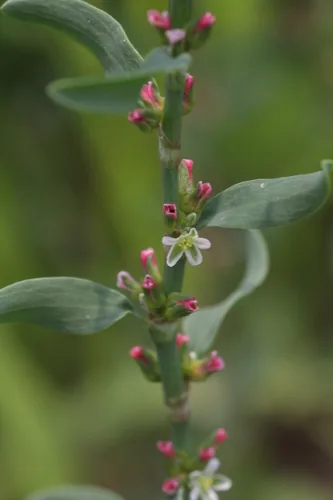
Wireweed (Polygonum aviculare) is a prostrate annual knotweed of compacted paths, crop edges, and disturbed ground worldwide, including agricultural regions across the Americas. Thin wiry stems with tiny leaves and papery sheaths form resilient mats that tolerate foot traffic and poor soil. It is better known as a tenacious weed than a crop, yet young tips have minor traditional food use where contamination is absent. Full sun to part shade; thrives in compacted, droughty microsites where other plants surrender. Tolerates brief flooding along paths after storms. Fertile irrigated beds increase growth rate—usually the opposite of what gardeners want. Self-sows abundantly; seeds survive soil disturbance cycles. Mechanical cultivation fragments rarely help—plants reroot from nodes. Mulch and reduce compaction for long-term suppression. If exploring edible tips, collect only from clean, unsprayed sites early in growth; wash thoroughly. Stop harvesting once stems toughen. For management, pull or hoe before seed set to reduce the soil seed bank.
Permaculture Functions
- Edible: Polygonum aviculare young tips taste mild-sour in salads -- tiny harvest from clean ground; oxalic tang limits volume.
- Ground Cover: Prostrate mats hug compacted path edges where turf dies -- tells you soil is compacted; fix compaction, not just pull weeds.
- Dynamic Accumulator: Scavenges N from foot-traffic zones into wiry stems -- compost pulled plants before seeds mature or you bank future headaches.
Companion Planting
Also mentioned as companions:
- Ryegrass
Not yet profiled in PermiePortal
- Agricultural weed — seed bank persistence; prevent seed set in production fields
- Pesticide residues — do not forage from sprayed rights-of-way
Threats & Pressure