About
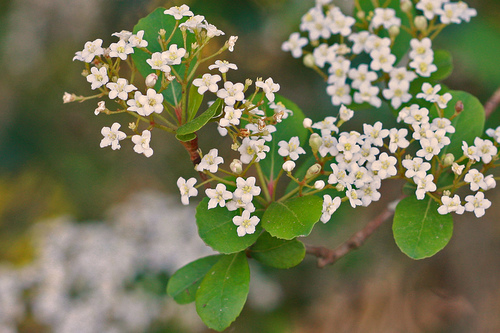
Walter viburnum is a Florida-native workhorse shrub — neat evergreen leaves, spring flowers that do not beg for applause, and berries that wildlife actually eat. It handles sun to part shade and the kind of sandy acid soils North and Central Florida specialize in. Perfect for hedges, wetland edges, and food-forest structure that is not another invasive hedge lottery ticket. 🌞💧 Sun and Water Requirements: - Full sun to part shade; denser in sun. - Moderate moisture; tolerates brief wet feet better than desert shrubs. - Acidic, organic sandy loam is ideal; mulch to cool roots. ✂️🫘 Methods to Propagate: - Softwood cuttings in humidity. - Seeds: double dormancy can be annoying — scarify/stratify protocols help. - Transplant small liners from reputable native nurseries. 🧑🌾👩🌾 When to Harvest: - For the birds — leave berries unless you are trialing jelly from known-clean sites.
Permaculture Functions
- Wildlife Attractor: Flowers and fruits support insects and birds.
- Border Plant: Shearable hedge or loose natural screen.
- Erosion Control: Fibrous roots stabilize sandy banks.
- Ornamental: Evergreen presence without pretension.
Walter viburnum is native structure with ecological receipts:
Practitioner Notes
- Semi-evergreen drops leaves in cold snaps—spring refoliate is normal, not death.
- Berries feed birds fast—net only if human jam is the goal.
- Tolerates wet soils—useful in rain garden mid-layer.
Companion Planting
- Beautyberry
- Elderberry
- Blueberry
- High-pH limestone soils without amendment and monitoring
Pest Pressure