About
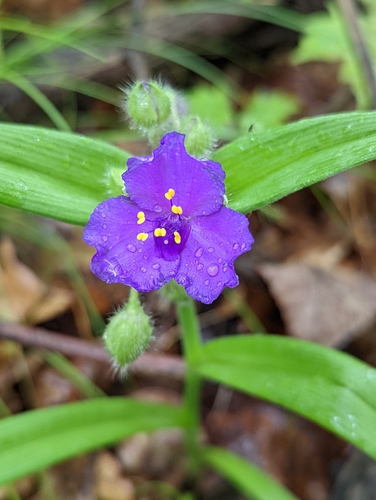
Virginia spiderwort (Tradescantia virginiana) is the same species many files label simply “spiderwort”—a clump-forming perennial with blue-violet three-petaled flowers opening fresh each morning. Plants reach 1–2 feet (30–60 cm) in meadows and open woods. This duplicate entry exists for searchers using the regional common name. ☀️💧 Sun and Water Requirements: Full sun to light shade; afternoon shade slows petal melt in heat. Average to moist, well-drained soils suit it; avoid stagnant wet crowns. ✂️ Propagation: Divide clumps in spring; sow seed in fall. Deadhead near paths if volunteers annoy pavers. 🌾 Harvest / Best Use Timing: Edible young shoots only with certain ID and clean sites. Peak bloom tracks late spring into summer warmth.
Permaculture Functions
- Pollinator: Morning flowers feed small bees during succession bloom.
- Ground Cover: Clumps fill sunny gaps between taller forbs.
- Edible: Mild shoots in clean sites where ethics and ID align.
- Ornamental: Blue flowers soften formal borders without turf cosplay.
Practitioner Notes
- Two database cards, one species—pick a favorite filename and stop debating mirrors.
- Flowers melt by noon—photograph early or accept ephemeral philosophy.
- Sap threads are the genus handshake—kids love it; upholstery does not.
- Deer sometimes browse—protect new clumps if local herds lack table manners.
Companion Planting
- Spiderwort — duplicate Tradescantia virginiana record; same species, different slug
- Wild Bergamot — aromatic neighbor extending pollinator hours
- Little Bluestem — warm-season grass matrix sharing drainage
- Duplicate listing with “Spiderwort” entry—Tradescantia virginiana is the taxon
- Wet stagnant soil — crown rot
Pest Pressure