About
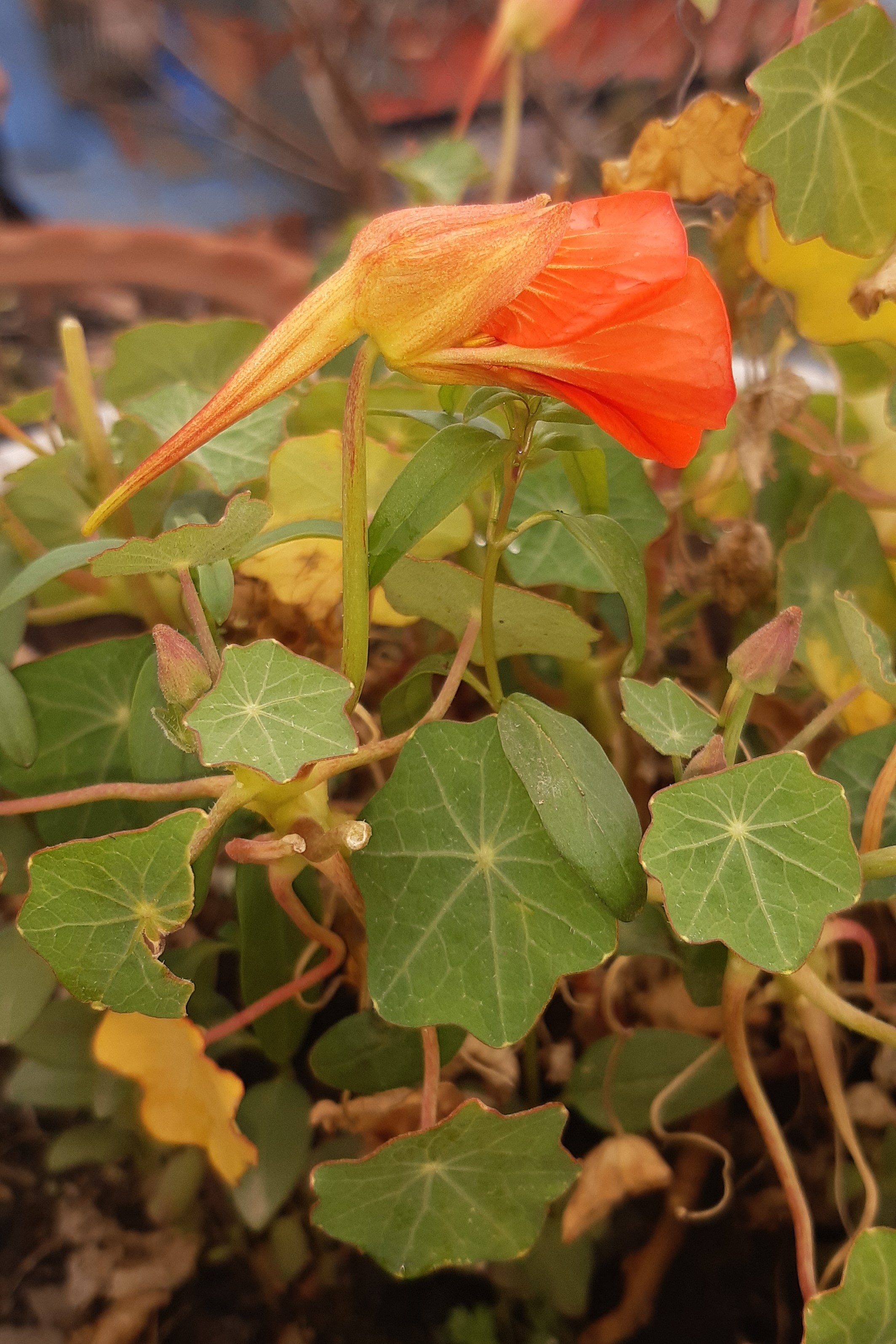
Tuberous nasturtium (Tropaeolum tuberosum) is the Andean nasturtium grown for peppery, starchy tubers and the same pepper-leaf tang you know from garden nasturtiums, just with more underground ambition. Vines climb 2–3 m (6–10 ft) in a season and die back to tubers when heat or frost ends the party; in subtropical and tropical Americas it often performs best through the cooler half of the year, with tubers lifted before relentless wet heat invites rot. ☀️💧 Sun and Water Requirements: - Full sun in mild weather; afternoon shade when temperatures stay tropical-hot. - Even moisture, sharp drainage—soggy clay murders tubers faster than lecture. - Mulch lightly to buffer soil temperature but keep crowns from staying wet. ✂️ Methods to Propagate: - Plant whole small tubers after danger of hard frost (or start under protection) when soil is warm enough for quick shoot growth. - Save the densest, disease-free tubers for replanting; label lines if you select for milder flavor. - Tip layering: bury nodes where vines touch soil to root backup plants. 🌾 Harvest / Best Use Timing: - Dig tubers after tops senesce or before the wettest, hottest stretch in humid lowlands. - Blanch, roast, or pickle—raw flavor is loud; cooking tames the bite. - Flowers and young leaves are edible as accents, same cautions as ornamental nasturtiums.
Permaculture Functions
- Edible: Tubers are the main yield; leaves and flowers add peppery garnish in moderation.
- Ground Cover: Leaf canopy shades soil and suppresses weeds until dormancy.
- Ornamental: Classic nasturtium blooms lift morale on a trellis or fence.
- Wildlife Attractor: Pollinators work flowers; you still win if you harvest before seed drop.
- Dynamic Accumulator: Fast growth pulls nutrients into biomass that returns to beds when vines are chopped and dropped.
Tuberous nasturtium is a vertical calorie oddity for diversified gardens:
Practitioner Notes
- Morning picks hold turgor; afternoon heat steals shelf life even if the cooler feels honest.
- Foot traffic after establishment only—early walks tear stems and invite weeds in the wounds.
- Sharp tools and clean cuts beat torn stems; disease spores love frayed tissue more than rhetoric.
- Blanch or process within hours if you are freezing—enzymes keep chewing while paperwork waits.
Companion Planting
- Corn
- Beans
- Yacon
Pest Pressure