About
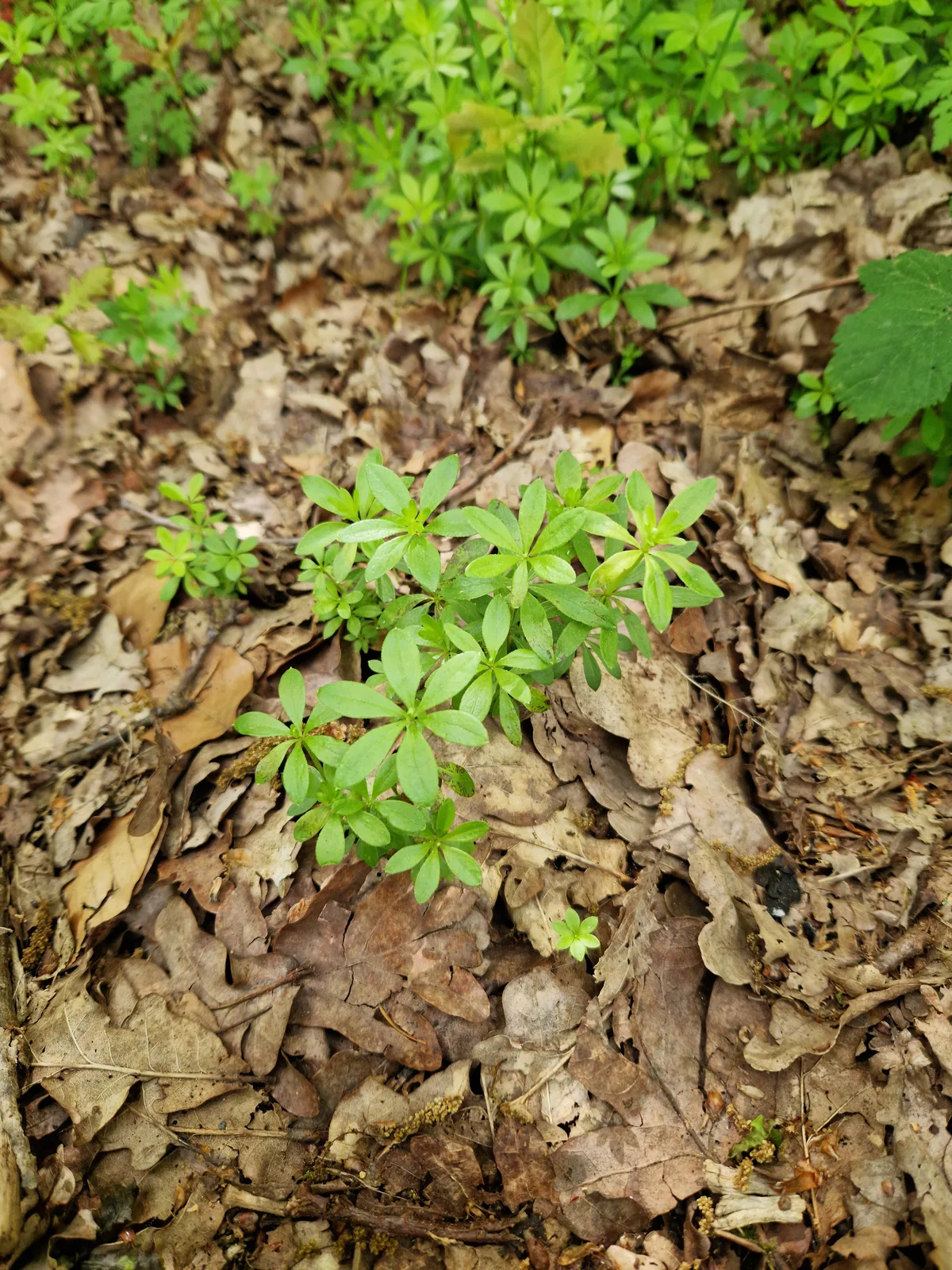
Sweet woodruff (Galium odoratum) is a shade-groundcover charmer: whorls of narrow leaves, tiny white starry flowers in spring, and coumarin scent that ramps up when dried—think May wine folklore without the Pinterest cosplay. Mats stay low, 6–12 inches, spreading politely by runners in moist, woodsy soil. subtropical and tropical Americas: It will grow only where summers are shaded, mulched, and never baked dry—think live-oak understory experiments in Florida, not full-sun hellstrips. Puerto Rico’s tropical shade gardens at elevation can mimic its European forest-floor cravings; lowland heat plus humidity demands extra airflow and organic mulch or you get mildew confetti. Light shade to full shade; a few morning rays are enough; midday sun is leaf-scorch theater. Even moisture; humus-rich, well-drained soil—never soggy anaerobic pots. Divide mats in spring or fall; replant pieces with roots and water until new whorls appear. Root stem sections pinned to soil in shade; keep humidity steady until they anchor. Gather flowering tops for drying when scent peaks; traditional flavoring uses are tiny-dose territory—respect coumarin cautions. Shear ragged mats after bloom to refresh appearance and reduce fungal load in humid weeks.
Permaculture Functions
- Edible: Galium odoratum dried whorls flavor May wine and syrups with coumarin sweetness -- keep intake modest because concentrated extracts challenge livers already on thin ice.
- Ground Cover: Shallow rhizomes carpet shade under elderberries so mower strips shrink -- to paths only.
- Ornamental: Starry white May blooms hover above glossy whorled leaves -- for designers who quit fighting dry shade lawn altogether.
Companion Planting
Also mentioned as companions:
- Hosta
- Fern
Not yet profiled in PermiePortal
- Bermuda grass
- English ivy