About
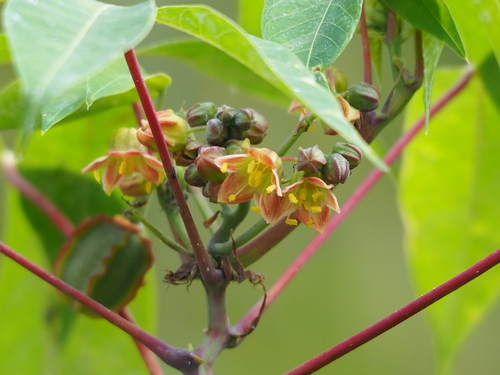
“Sweet” cassava (Manihot esculenta) refers to cultivars with lower cyanogenic glucosides in the roots—still not a raw snack, but far less theatrical than bitter types after normal cooking. Plants are shrubby with palmate leaves on tall stems, often 3–6+ feet in a season, swelling starchy roots underground like buried apologies for colonial crop history. subtropical and tropical Americas: This is honest tropical subsistence energy. tropical and subtropical zones and all of Puerto Rico can grow it year-round where frost is absent; central Florida needs timing or protection. Sweet types are the backyard gateway—still process responsibly, because “sweet” is relative, not a dare. Humidity favors foliage diseases; spacing, airflow, and clean tools reduce drama. ☀️💧 Sun and Water Requirements: - Full sun for maximum root bulk; partial sun yields lanky disappointment. - Drought-tolerant once established but roots size up with steady moisture and deep, loose soil—never waterlogged. ✂️ Propagation: - Stick mature stem cuttings (roughly pencil-thick, 8–12 inches) into well-drained soil after danger of cool nights; nodes root fast in warmth. - Harvest starts can become next season’s cuttings if varieties stay true enough for your standards. 🌾 Harvest / Best Use Timing: - Dig roots 8–12 months after planting depending on cultivar and appetite for bulk. - Peel, cook thoroughly (boil, bake, fry); ferment or sun-dry in traditional systems—skipping steps is how you meet the ER.
Permaculture Functions
- Edible: Calorie-dense starchy roots anchor food security when processed with respect for cyanide chemistry.
- Biomass: Fast leafy growth supplies chop-and-drop mulch and livestock browse where varieties suit animals.
- Erosion Control: Fibrous roots bind slopes in shifting cultivation rotations when managed, not abandoned.
Practitioner Notes
- Sweet vs bitter types are not interchangeable—cyanogenic lines need processing discipline.
- Vegetative propagation keeps type true—seedlings vary in chemistry.
- Harvest dry soil—muddy digs snap starchy roots.
Companion Planting
- Pigeon Pea — fixes nitrogen on the bed edge without shading cassava if offset; drops leaf litter as mulch.
- Sweet Potato — uses lower vine layer after cassava stems harden off; different root depths reduce direct competition.
- Lemongrass — clumping aromatic edge may confuse some crawling pests and marks bed boundaries for machete discipline.
- Bitter cassava lines in a beginner kitchen
- Waterlogged clay that rots stems
Pest Pressure