About
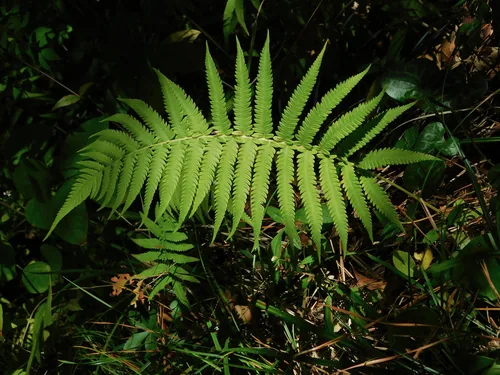
Southern shield fern (Thelypteris kunthii) is a semi-evergreen to deciduous fern of moist woodlands, stream banks, and shaded ditches across the southeastern United States into tropical America. Fronds are long, tapering, and produce a lush fountain where humidity stays honest. It is a workhorse ground layer for shaded rain gardens, palm understories, and tropical-transition food forests. Light shade to part shade; morning sun only if soil stays moist. Moisture-loving; tolerates short dry spells in humid air but crisping follows drought. Rich, organic, well-drained soils; mulch with leaf litter to mimic forest floor. Division of crowns in spring before new croziers expand. Spores on sterile medium under humidity—slow. Transplant divisions with steady watering the first dry season. Not a crop fern; leave fronds for structure and habitat. Remove frost-tattered blades in late winter to tidy before spring flush. For nursery increase, divide when fiddleheads are thumb-high.
Permaculture Functions
- Ground Cover: Thelypteris kunthii knee-high blades tile bog gardens -- where turf never established between black gum knees.
- Wildlife Attractor: Constantly damp litter under evergreen fronds shelters plethodontid salamanders and wolf spiders -- keeps them away from mowing blades and foot traffic.
- Ornamental: Arching fountain habit reads subtropical beside pond cypress knees -- hardiness stretches into piedmont winters, expanding the design range.
- Erosion Control: Matting rhizomes lock leaf mold on shaded stream shelves -- where runoff would strip bare peat after each thunderstorm.
Companion Planting