About
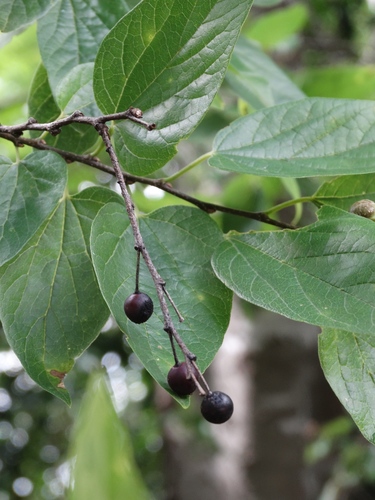
Southern hackberry (Celtis laevigata), often called sugarberry, is a medium to large deciduous tree of floodplains, river terraces, and bottomlands across the southeastern United States into parts of the south-central region. Small sweet drupes feed birds for months; warty bark hosts lichens like a vertical reef. It is a workhorse canopy for riparian buffers, livestock shade, and native hedgerows where elms once stood. ☀️💧 Sun and Water Requirements: - Full sun for strong form and heavy fruiting. - Moisture-loving; tolerates seasonal flooding yet needs drainage between events. - Deep, fertile alluvial soils ideal; tolerates clay if not permanently stagnant at the root collar. ✂️ Propagation: - Seeds: cold stratify; sow in deep pots to accommodate taproot. - Transplant young seedlings; large specimens need professional equipment. - Prune for clearance and storm structure; avoid topping. 🌾 Harvest / Best Use Timing: - Fruit is small but edible when fully ripe; mostly left for wildlife. - Collect seeds after natural drop if growing nursery stock. - Mulch under young trees to exclude mower strikes.
Permaculture Functions
- Wildlife Attractor: Persistent fruit feeds birds and mammals; foliage hosts hackberry butterflies and more.
- Shade Provider: Broad crown cools livestock, people, and understory guilds.
- Windbreaker: Row plantings trim wind along fields and waterways.
- Edible: Ripe drupes are nibbled fresh or used experimentally where sweetness justifies picking labor.
Practitioner Notes
- Leaf galls happen—learn insect versus disease before panic-spraying honest chemistry.
- Hackberry emperor adults eat sap and mud; standing puddles become butterfly bars—plan paths accordingly.
- Flood silt buries root flares; excavate gently after big river years or invite decay by politeness.
Companion Planting
- Red Mulberry — native fruiting tree partner along rich hedgerows with staggered fruit timing
- Roughleaf Dogwood — understory shrub layer beneath open hackberry canopies on moist sites
- Riverbank Grape — native vine on fencerows beneath hackberry limbs without girdling young trunks
Pest Pressure