About
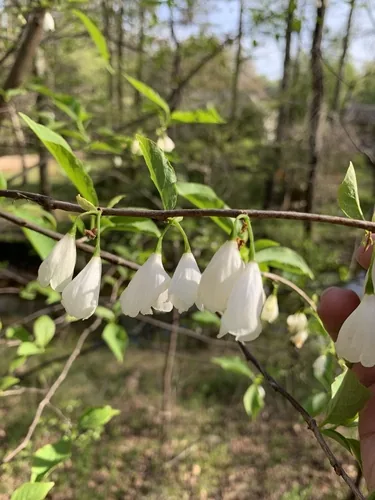
Silverbell tree (Halesia carolina) is a small to medium deciduous tree of eastern North American rich woods and stream slopes, famous for bell-shaped white flowers dangling along branches before leaves fully hide them. Bark is subtly striped; fruits are dry drupes with wings. It is an understory-friendly canopy for food forests on moist, acidic sites where showy spring bloom beats another Bradford pear sermon. Part shade to full sun in cool climates; afternoon shade helps in hot summer areas. Moisture-loving; tolerates short dry spells once established but not desert ethics. Acidic, organic, well-drained soils; mulch with leaf mold, not dyed chunks. Seeds: double dormancy is common—sow fresh or stratify in stages. Softwood cuttings under mist in early summer. Transplant young trees; older specimens resent bare-root moves. Not a crop tree; ornamental and wildlife values lead. Prune for clearance after flowering to preserve next year’s bloom wood. Collect seeds when capsules color and begin to split if propagating.
Permaculture Functions
- Wildlife Attractor: Halesia carolina nodding white bells hang under branches for queen bumblebees before canopy closure -- while dry drupes feed small rodents late summer.
- Ornamental: Striped gray bark and porcelain blooms read refined on rich woods-edge soils -- without neon flower campaigns.
- Shade Provider: Light upward-arching limbs cast soft shade for mayapples and hydrangea guilds -- that rot in full sun.
- Border Plant: Maturing under 40 feet keeps urban easements clear while still framing entries -- with four-season bark interest.
Companion Planting
Threats & Pressure