About
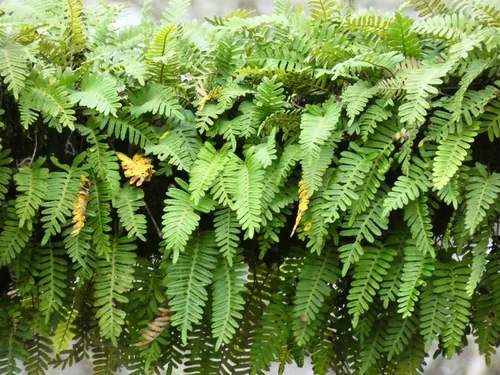
Resurrection fern (Pleopeltis polypodioides) is an epiphytic and lithophytic fern of southeastern North America and parts of the Neotropics, famous for curling brown in drought and greening within hours after rain. It roots on oak limbs and shaded rock with a creeping rhizome net. In gardens it is a living lecture on desiccation tolerance mounted on bark slabs, living walls, and mossy trunks. Bright shade to dappled light; direct midday sun desiccates fronds even if the plant survives. Drought tolerant in the sense of dormancy, not happiness—mist or rain rhythm keeps it lush. Needs a porous substrate: tree bark, tree fern fiber, or rock with organic pockets; soggy potting mix rots rhizomes. Division of rhizome mats wired to fresh bark with moss interlayer. Spores on sterile medium under high humidity—slow, for hobbyists. Transplant patches after summer rains when rehydrated. Not a food plant; value is display and microhabitat for invertebrates. Reattach fallen mats after storms before they bake on pavement. Reduce summer irrigation frequency in humid greenhouses to avoid black rot between scales.
Permaculture Functions
- Ornamental: Pleopeltis polypodioides fronds shift from desiccated brown curls to vivid green ribbons within hours of rain -- mount on oak bark slabs for living-wall drama without soil pots pretending to be natural.
- Wildlife Attractor: Rehydrated mats host springtails and mites that anoles and wrens pick from epiphyte islands -- not a nectar bar, but honest microfauna sushi for humid woodland edges.
- Erosion Control: Rhizome pads bind thin humus pockets on limestone outcrops and live-oak limbs where soil would otherwise wash in summer deluges -- still mist during dry weeks if you want lush display instead of crispy dormancy theater.
- Ground Cover: Creeping stems visually soften coarse bark and mossy boulders in shade gardens -- wire mats with sphagnum interlayer so rhizomes breathe; soggy potting mix rots crowns fast.
Companion Planting
Threats & Pressure