About
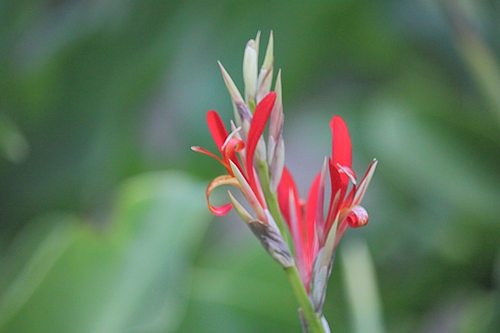
Queensland arrowroot is the starchy-rhizome side of ornamental cannas — big leaves, tropical drama, and underground calories if you select edible types. In subtropical and tropical Americas it is a summer beast that dies back in cold winters unless mulched heavily or lifted. Full sun, rich soil, and steady moisture build rhizome bulk faster than wishful thinking. 🌞💧 Sun and Water Requirements: - Full sun for best starch yields. - Consistent moisture; tolerates wet margins better than desert herbs. - Heavy feeding: compost, mulch, and occasional fertility without synthetic theater. ✂️🫘 Methods to Propagate: - Rhizome division at spring warm-up. - Offsets from clumps; each eye can grow. - Seeds are variable; clones are safer for food. 🧑🌾👩🌾 When to Harvest: - Dig rhizomes after tops frost-kill or when growth slows in cool weather. - Peel/clean and process like other starches; cooking required.
Permaculture Functions
- Edible: Starchy rhizomes for flour, boiled uses, and experiments.
- Mulcher: Huge leaves for chop-and-drop around fruit trees.
- Wildlife Attractor: Showy flowers bring hummingbirds and pollinators.
- Ornamental: Passes as landscape while quietly feeding you.
Queensland arrowroot is subtropical calorie mulch:
Practitioner Notes
- Blanch or process within hours if you are freezing—enzymes keep chewing while paperwork waits.
- Notebook one weird year—weather anomalies repeat; memory lies, scribbles do not.
- Harvest texture changes faster than color—nip one sample before you commit the whole row to a pick date.
- Sharp tools and clean cuts beat torn stems; disease spores love frayed tissue more than rhetoric.
Companion Planting
- Banana
- Papaya
- Sweet Potato
- Bone-dry sand without irrigation
Pest Pressure