About
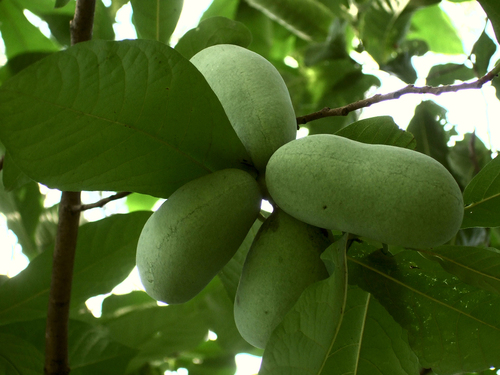
Paw Paw (Asimina triloba) is a deciduous, small understory tree native to eastern North America, typically growing 5–8 meters (16-26 feet) tall. Its large, tropical-like leaves and unique, maroon-colored flowers with a faintly foul odor make it distinctive. Paw Paw fruits are oblong, 7-15 cm (3-6 inches) long, greenish-yellow when ripe, and possess sweet, custard-like flesh. 🌞💧 Sun and Water Requirements: Paw Paw thrives in partial shade but can handle full sun when mature. It prefers moist, well-draining, slightly acidic soils, and consistent watering, particularly during dry periods, though established trees have moderate drought tolerance. ✂️🫘 Methods to Propagate: Typically propagated from seeds, which require stratification (90-120 days of cold moist stratification). Paw Paw can also be propagated by grafting or root cuttings for faster maturity and consistent fruit quality. 🧑🌾👩🌾 When to Harvest: Fruit is harvested from late summer to early autumn when the skin turns slightly yellowish-green and becomes soft to the touch. Fruit should be picked by hand as it bruises easily.
Permaculture Functions
- Edible: Provides nutrient-rich fruit with high vitamin C, antioxidants, and minerals. It can be eaten fresh or processed into desserts, jams, and smoothies.
- Medicinal: Traditionally, paw paw leaves and bark have been used in herbal medicine for their insecticidal and antifungal properties.
- Wildlife Attractor: Fruit and foliage provide food and shelter, attracting birds, butterflies, and other beneficial wildlife.
- Pollinator: Attracts butterflies and native pollinators, enhancing biodiversity.
- Border Plant: Effective as a natural border or hedge due to its dense foliage and attractive form.
- Erosion Control: Its extensive root system stabilizes soil and helps prevent erosion, particularly useful on slopes or riverbanks.
Paw Paw plays multiple valuable roles in permaculture systems:
Practitioner Notes
- Morning picks hold turgor; afternoon heat steals shelf life even if the cooler feels honest.
- Dry aerial parts fast with airflow, not slow plastic bags—mold reads as ‘aged’ only in marketing copy.
- Deadhead for repeat bloom if the species responds; leave late heads if birds or beneficials need seed.
- Watch the plant’s own signals first—catalog zone numbers do not replace your site’s microclimate truth.
Companion Planting
- Black locust
- Mulberry
- Currant
- Strawberry
- Walnut
Pest Pressure