About
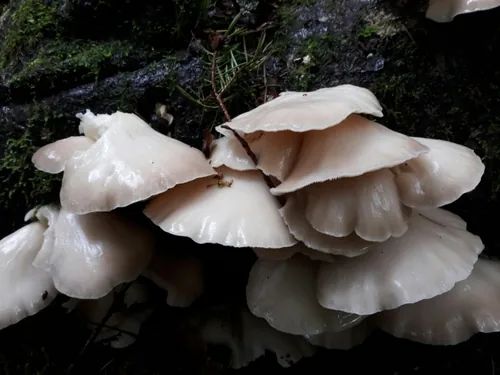
Oyster mushrooms are the beginner's handshake with log culture — they colonize fast, tolerate a wider range of substrates than almost any other cultivated species, and forgive clumsy technique better than shiitake or lion's mane. In subtropical Florida, fresh-cut hardwoods (oak, sweetgum, alder, poplar-type species) inoculated with plug or sawdust spawn and kept in shade will produce within 6-12 months. They also run on straw, coffee grounds, cardboard, and supplemented sawdust blocks — the most substrate-flexible edible species for urban and small-scale growing. Multiple Pleurotus species exist (pink oyster P. djamor handles Florida heat better than standard P. ostreatus); match species to season. Wild flushes from dead hardwoods after rain are common and identifiable with care — gilled mushroom ID discipline still applies. Shade to bright shade on logs; thin logs in direct afternoon sun dry out and abort flushes. Soak or sprinkle logs to trigger fruiting in dry periods; allow full drainage between soaks. Bark-intact logs slow drying; vertical or lean-to stacking balances moisture and airflow. Plug, sawdust, or totem-style inoculation into green wood. Grain to sawdust blocks for indoor or sheltered production. After harvest, rest logs 4-8 weeks before re-soaking; rotate through a batch to stagger flushes. Flush Oyster Mushroom before caps flatten and spores dust -- younger tissue holds better flavor for most logs and beds. Twist or cut at base; second flushes often follow if humidity stays honest. Refrigerate in paper bags and use within days; saute or pickle rather than letting slimy regret arrive.
Permaculture Functions
- Edible: Pleurotus ostreatus and heat-tolerant P. djamor fruit from straw logs, supplemented sawdust blocks, and totem-stacked oak within months of inoculation -- harvest caps while margins still inroll before spore loads coat the fruiting room.
- Medicinal: Fruiting bodies carry beta-glucans and modest lovastatin analogs studied for lipid and immune modulation -- eat as food first; capsule marketing routinely outruns human bioavailability data from whole mushrooms.
- Mulcher: Spent oyster blocks and crumbly log ends rot into melanized lignin-rich humus that worms invade quickly -- bury tails under sheet mulch to finish decomposition without slime trails across paths.
Companion Planting
- Confirm identity before harvest — wild Pleurotus is distinctive but a few tough, pale bracket fungi share hardwood habitat
Threats & Pressure