About
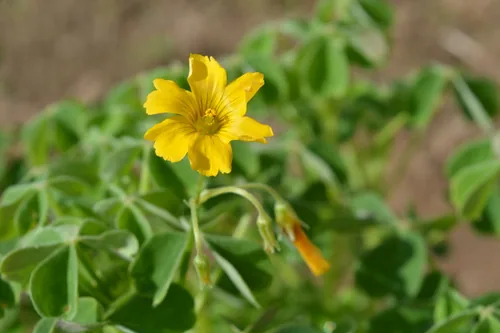
Oca (Oxalis tuberosa) is a perennial herbaceous plant native to the Andean region, cultivated for its nutrient-rich tubers. The plant features clover-like leaves and succulent stems, growing up to 45 cm (18 inches) in height and spreading about 60-90 cm (24-36 inches) in diameter. Tubers vary in color, including yellow, orange, pink, apricot, and red, and typically measure 25-150 mm in length and 25 mm in width. Oca is valued for its adaptability to poor soils, high altitudes, and harsh climates, making it a staple in Andean agriculture. :contentReference[oaicite:0]{index=0} Oca thrives in full sun to partial shade and prefers well-drained soil with consistent moisture. It tolerates poor soil conditions but benefits from the addition of compost. :contentReference[oaicite:1]{index=1} Oca is primarily propagated vegetatively by planting whole tubers. While propagation by seed is possible, it is rarely practiced due to complexities such as auto-incompatibility and spontaneous dehiscence of seed capsules. :contentReference[oaicite:2]{index=2} Tubers begin forming when day lengths shorten in autumn. Harvesting occurs once the foliage has been hit by frosts and before a hard ground frost, typically around the shortest day of the year in winter. :contentReference[oaicite:3]{index=3}
Permaculture Functions
- Edible: Oxalis tuberosa forms starchy tubers in yellow-to-magenta skins after short days trigger swelling -- boil, roast, or ferment like Andean landraces teach; first frost sweetens starches while hard ground freeze turns bins to mush if you delay harvest.
- Ground Cover: Trifoliate clumps spread into low mats between taller Andean roots, shading summer weeds without forming sod -- tuck into polytunnel shoulders or outdoor mounds with mulch to keep oxalic-prone leaves off mud-splash.
- Mulcher: Frost-killed tops collapse into fast-rotting green litter feeding spring sowings -- chop residues before monsoon rains wash slime off slopes into neighbors’ lettuce.
- Dynamic Accumulator: Tuber-focused growth concentrates potassium and phosphorus from composted soils into harvestable organs -- return peelings, cooking water, and small culls to beds when you close kitchen loops.
- Wildlife Attractor: Yellow five-petaled flowers open on lengthening nights, feeding bees during shoulder seasons -- leave a few flowering stems if tuber yield targets are already met and you want seed for local adaptation trials.
Threats & Pressure