About
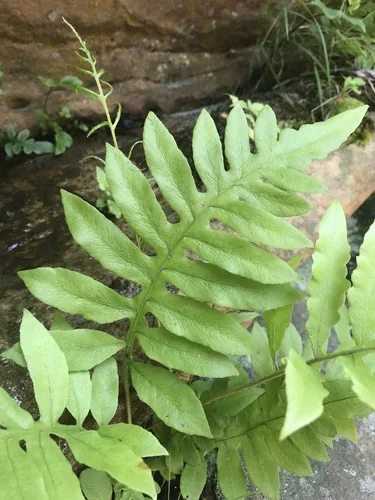
Netted chain fern (Woodwardia areolata) is a deciduous fern of eastern North American swamps, blackwater streams, and floodplain forests. Fronds are once-pinnate with netted veins easy to see against the light—hence the name—and colonies spread by slender rhizomes through muck. It is a signature ground layer for restoration plantings where cinnamon fern and royal fern already hint at the water table. Light shade to part sun if soil stays wet; full sun over dry soil kills fronds. Moisture-loving; tolerates shallow standing water for short periods. Acidic, organic-rich soils typical of low woods; add composted leaf mold in garden settings. Division of rhizomes in early spring with a bud per piece. Spores on sterile medium under humidity—slow, for enthusiasts. Transplant small offsets with minimal root disturbance; keep wet the first season. Not a crop plant; value is habitat and soil binding. For expansion, divide when fiddleheads are thumb height, before heat waves. Avoid removing fronds from public wetlands—propagate only ethically sourced stock.
Permaculture Functions
- Ground Cover: Slender rhizomes spread Woodwardia areolata colonies into a low deciduous carpet along blackwater seeps, springheads, and rain-garden toes -- fronds stay under knee height, so pair with taller Osmundaceae or Cyatheaceae for vertical wetland drama.
- Wildlife Attractor: Constantly damp litter under net-veined fronds shelters salamanders, treefrog metamorphs, and detritivore food webs in eastern floodplain forests -- seasonal drawdowns expose mud foraging for wading birds at the margin.
- Erosion Control: Interwoven roots bind organic muck banks that slough during spate flows -- use behind woody debris weirs where you need living geotextile instead of plastic underlayment on shaded slopes.
- Ornamental: Pinnae held to the light show reticulate venation that sells the plant to fern classes and rain-garden tours -- reads finer-textured than cinnamon fern when designers want chain-mail patterning at boot height.
Companion Planting