About
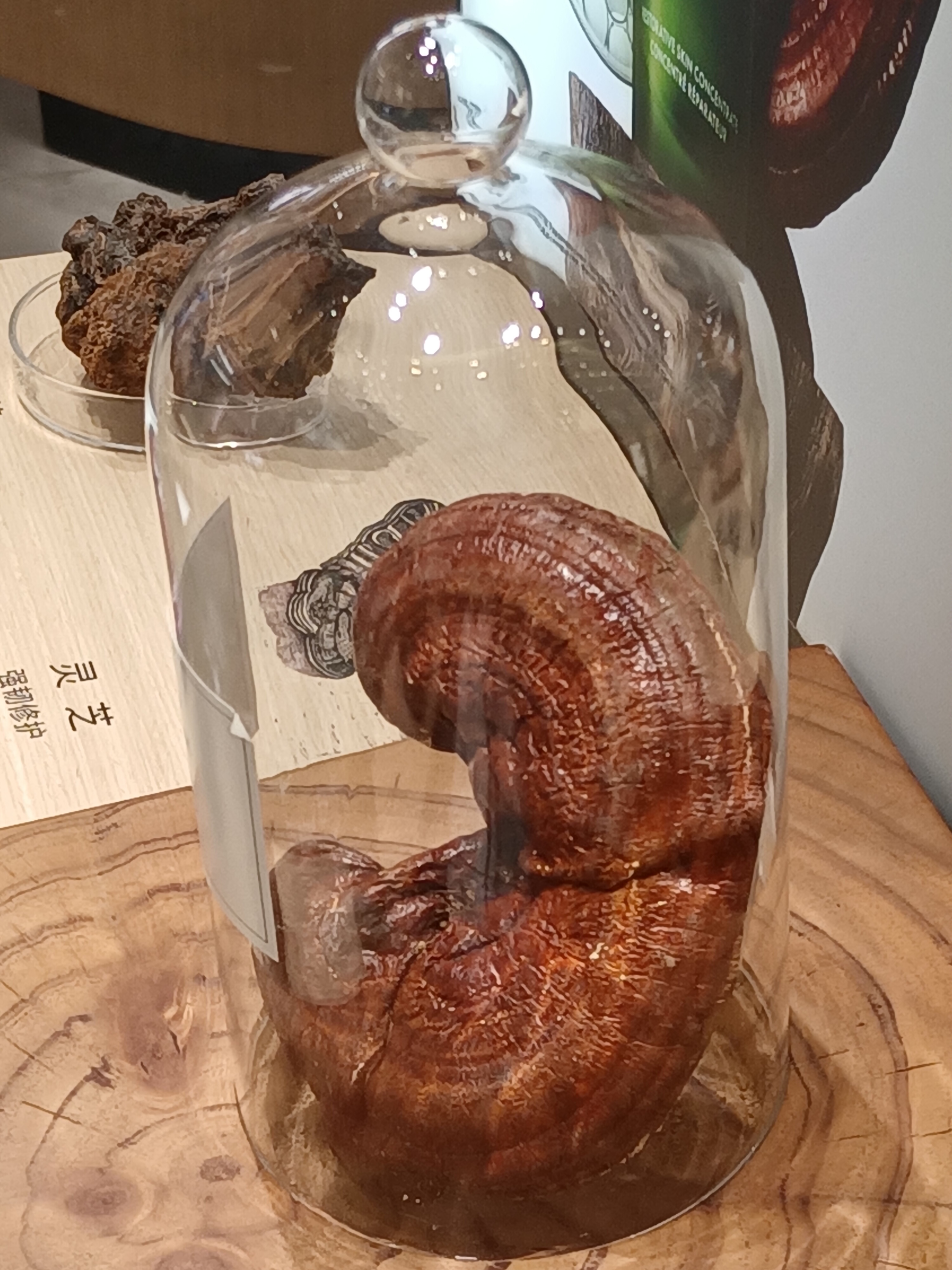
This is not one species — it is the cheat sheet for where gourmet wood-decay fungi meet your food forest. Living trees, thinned trunks, stumps, hugelkultur bones, and hardwood chips are all fungal real estate; the trick is matching species to substrate and moisture. subtropical and tropical Americas's long warm season can speed colonization but also dry logs — shade, mulch skirts, and irrigation pulses beat crispy mycelium. Identify every fruit before you sauté; the PermieBro move is certainty, not bravado. ☀️💧 Sun and Water: - Fruiting blocks and logs: indirect light or dappled shade; avoid baking afternoon sun on small stacks. - Substrate should stay moist like a wrung sponge, never anaerobic soup. - Airflow matters — stale pockets invite molds you did not invite. ✂️ Propagation: - Plug spawn or sawdust spawn into fresh hardwood logs; wax holes. - Chip beds: layer woody mulch, inoculate, keep moist through colonization. - Stumps: drill-and-fill or natural colonization from nearby sources.
Permaculture Functions
- Edible: Many choice species on logs, stumps, and chips once colonized.
- Medicinal: Species-dependent; research the actual fungus, not the Pinterest
- thumbnail.
- Mulcher: Mycelium pre-digests lignin and feeds the soil food web.
- Soil Improvement: Hyphal networks and spent substrate build structure and
- biology.
Mushroom hosts turn wood and waste carbon into food and living soil:
Practitioner Notes
- Substrate moisture bands matter more than hype—learn squeeze-test, not forum lore.
- Pasteurization vs sterilization picks your competitor set—straw vs supplemented sawdust rules differ.
- Spores concentrate in still air—use a mask when drilling big fruiting blocks indoors.
Companion Planting
- Oak
- Sweetgum
- Elm
Pest Pressure