About
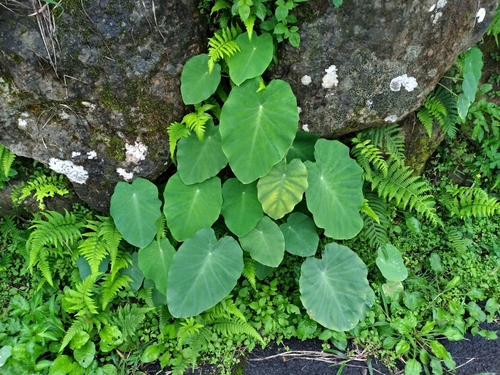
Malanga is the elephant-ear starch crop that actually pays rent: big bold leaves, starchy corms and cormels, and a tropical look that survives subtropical and tropical Americas summers if winter does not mock you. Cook it — raw calcium oxalate means your throat is not the test lab. ☀️💧 Sun and Water Requirements: - Part sun to full sun with steady soil moisture; leaves scorch if drought-stressed. - Rich, organic, well-drained but moist soil — think "jungle ditch with dignity." - Mulch hard; corms resent drying during active growth. ✂️ Methods to Propagate: - Cormels: detach and plant when soil warms, eyes up like a potato cosplay. - Division: split mature clumps at dormancy or early spring in warm zones. - Tissue culture exists commercially — backyard rarely needs the lab cosplay.
Permaculture Functions
- Edible: Starchy corms and cormels as boiled, fried, or mashed staples after proper cooking.
- Mulcher: Huge leaves rot into weed suppression and organic matter.
- Dynamic Accumulator: Mines and cycles nutrients in biomass if you chop-and-drop responsibly.
Malanga is calorie architecture for humid food forests:
Practitioner Notes
- Harvest texture changes faster than color—nip one sample before you commit the whole row to a pick date.
- Soil smell and root color tell more than gadget overload—dig a small hole twice a season.
- Notebook one weird year—weather anomalies repeat; memory lies, scribbles do not.
- Watch the plant’s own signals first—catalog zone numbers do not replace your site’s microclimate truth.
Companion Planting
- Banana
- Papaya
- Sweet potato
- Eating raw corms or leaves
- Bone-dry sand without irrigation or mulch
Pest Pressure