About
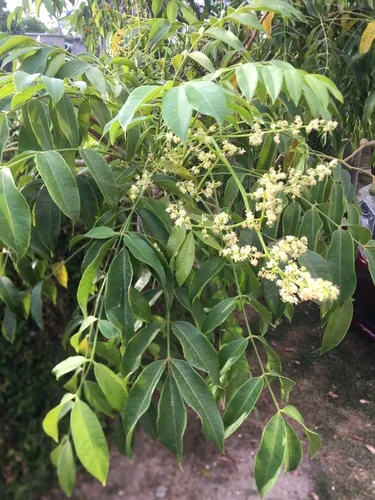
Hog plum (Spondias mombin) is a tropical tree from the Americas and the Caribbean through parts of West Africa where introduced, bearing pinnate leaves, small fragrant flowers, and yellow plum-like fruit prized fresh, juiced, or fermented. Heights of 30–60 feet (9–18 m) occur in open sites. It belongs in humid tropical and subtropical food forests as a seasonal fruit tree with bold presence and a family chemistry worth respecting. Full sun for reliable fruiting; young trees tolerate partial shade during establishment. Deep, fertile, well-drained soils with steady moisture in the warm season; tolerates short dry spells in humid air. Wind protection helps large spreading crowns on exposed lots. Sow fresh seed; graft known selections for predictable fruit quality. Air-layering works for clonal propagation in humid climates. Prune for a strong frame early—wide angles reduce storm splits later. Pick fruit when yellow and yielding for fresh eating and juice; process quickly in hot weather. Expect heavy drops—site pathways outside the splat radius. Net or bag if fruit flies host conventions in your neighborhood.
Permaculture Functions
- Edible: Spondias mombin yields yellow, plum-sized drupes with resinous tart-sweet juice for fresh eating, juice, or quick fermentation -- process fruit fast in tropical heat before fermentation starts on the ground.
- Wildlife Attractor: Tiny fragrant flowers feed insect pollinators while ripe fruit draws fruit bats and birds -- site pathways outside the drip line unless you enjoy cleaning splats daily.
- Shade Provider: Open, spreading crown casts dappled shade for understory cacao, coffee, or banana -- prune for a single leader early so wide crotches do not split in squall winds.
- Windbreaker: Tall frame and dense foliage blunt steady trade winds along coasts -- protect young trees until roots anchor, because shallow-rooted annonaceous relatives snap before they flex.
Companion Planting
- Anacardiaceae sap sensitivity — some people react; handle fruit and pruning with awareness
- Frost — young growth damaged by cold below roughly 26°F (-3°C); protect on margins
Threats & Pressure