About
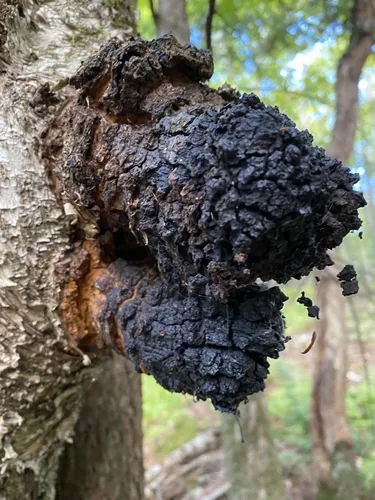
Chaga is not a mushroom in the cap-and-stem sense — it is a sterile conk stage of Inonotus obliquus, erupting from birch bark as a cracked, charcoal-black mass with an orange-brown interior. It belongs to cold-climate birch forests and has no honest outdoor analog in subtropical Florida. If you are reading this in Jacksonville, you are planning a sourcing strategy, not a planting calendar. Wild harvest ethics matter here: slow-growing conks are easily overharvested, and stripping live public trees is bad form in any zip code. Native range is cool, humid continental climates tied to paper and yellow birch. No subtropical substitute; river birch in FL will not produce meaningful conks. Indoor cultivation research exists but is not backyard-accessible. Not a home propagation crop in the subtropics. Source from reputable northern foragers or certified growers if you want the tea. Inoculation of birch logs exists experimentally but requires years of colonization. Conks are traditionally taken in cold months after hard freezes when tissue is firm -- never strip a live birch to bare wood. Leave partial conk and respect land permissions; mail-order northern sources are the honest path in warm Americas. Slice thin and dry completely before storage; rehydrate for slow decoctions, not crunchy salad cosplay.
Permaculture Functions
- Edible: sterile conk scrapes into long-simmered decoctions for earthy tea after drying thin slices -- it is not a cap-and-stem mushroom for sauté despite social media claims.
- Medicinal: betulin-rich extracts appear in northern European -- and Siberian immune-support traditions where harvest ethics and drug interaction research still outweigh supplement hype.
- Biomass: perennial conks add dense fungal tissue to the coarse woody debris pile -- when ethical partial harvest leaves inoculum on the host instead of stripping bark bare.
Companion Planting
Threats & Pressure